
In a world where fashion continually evolves, the sphere of women’s outdoor clothing has not been left behind. New trends are blossoming, bringing not only comfort and functionality but also injecting style and elegance into the adventurous spirits of many women globally. Let’s delve into the top trends transforming womens outdoor clothing, allowing every woman to step out in style as they embrace the great outdoors.
Sustainability at the Forefront
As the world shifts towards sustainable living, the outdoor clothing industry has embraced eco-friendly materials and manufacturing processes. Brands are utilizing recycled polyester, organic cotton, and even biodegradable fabrics to create pieces that are not just stylish but also gentle on the environment. This trend ensures that as you step out to embrace nature, your clothing choice respects and preserves the surroundings.
Multifunctionality is Key
Modern women’s outdoor clothing combines functionality with fashion. The multifunctional clothing pieces, adaptable for various weather conditions and activities, are now a staple in the industry. Picture a waterproof yet breathable jacket that transitions seamlessly from a hiking trail to a casual lunch date, embodying both practicality and style.
Patterns and Colors that Pop
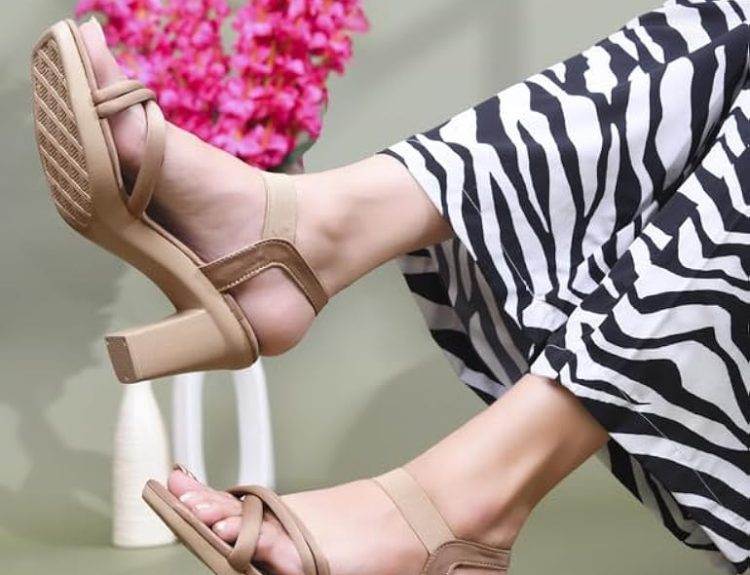
Gone are the days when outdoor clothing was synonymous with drab and dull colors. The modern adventurous woman has a palette of vibrant colors and bold patterns to choose from. These cheerful hues not only uplift the spirit but also add a splash of style to outdoor adventures.
Layering with Style
Layering is a prevailing trend, bringing both aesthetic appeal and functional benefits to outdoor clothing. With stylish base layers that can wick moisture away, insulation layers for warmth, and outer layers for protection against the elements, layering ensures comfort while offering a stylish way to dress for the outdoors.
The Rise of Athleisure
Athleisure has penetrated the outdoor clothing sector, providing women with clothes that are both comfortable and chic. This trend embodies a blend of athletic wear with casual clothing, allowing for a smooth transition from a morning run to brunch in style.
Personalised Accessories
Accessories have not been left behind in the trend wave. Women can now find personalised accessories, including hats, gloves, and scarves, that complement their outdoor outfits perfectly, adding a personal touch to their style.
Technologically Enhanced Clothing
Technology has influenced the outdoor clothing industry tremendously. Nowadays, clothes come with UPF protection, anti-odor technology, and even insect-repellent treatments, enhancing the outdoor experience while keeping the style quotient high.
Collaboration Collections
Collaborative collections between high-fashion designers and outdoor brands are bringing a touch of luxury to women’s outdoor clothing. These collections combine the best of both worlds, offering top-notch quality with a fashionable edge, allowing women to flaunt their style fearlessly in the great outdoors.
Conclusion
As 2023 unfolds, women’s outdoor clothing trends are leaning towards a fusion of style, comfort, and functionality. Whether it is sustainable production, the rise of athleisure, or technologically enhanced clothing, the industry is seeing a revolution, empowering women to step out in style. It’s a time where fashion meets function, and style meets substance, promising an adventurous year ahead with no compromise on style.