
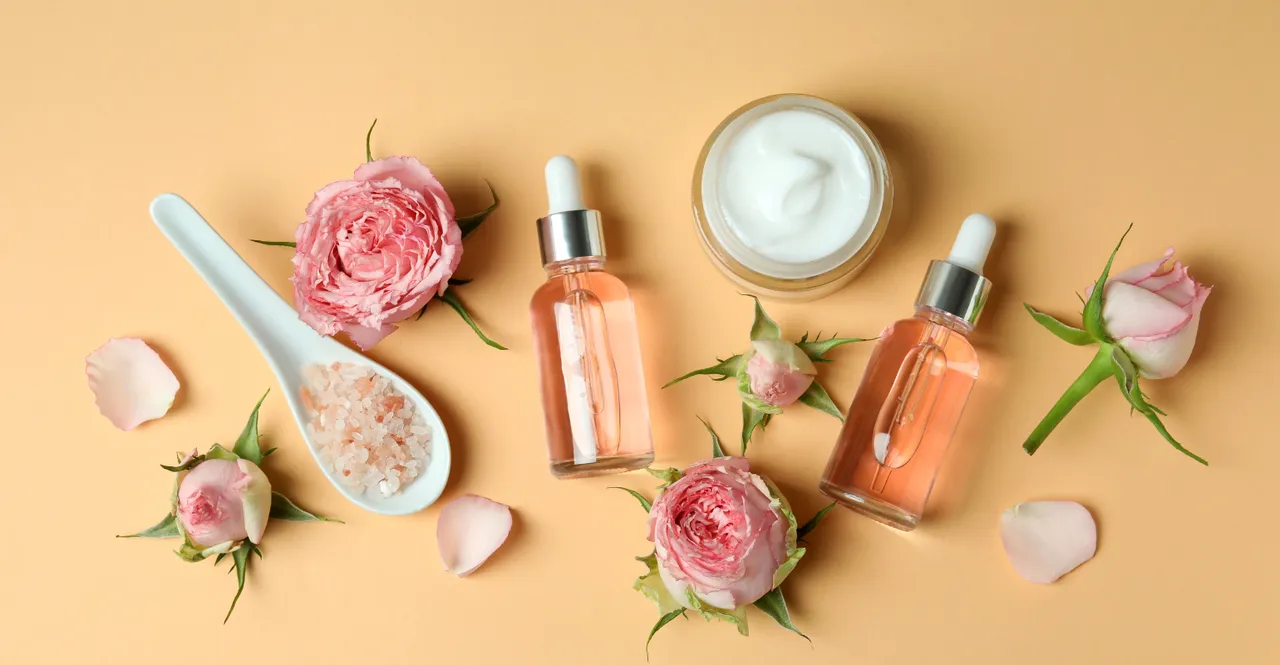
Beauty Products influence how we care for our skin, hair, and overall appearance, shaping confidence and personal expression. The term covers a wide range of items, from daily skincare essentials to more specialized treatments used to address specific concerns. Knowing which products to choose, why they work, and how to apply them allows for healthier results and a more intentional approach to self-care. Whether minimal or extensive, a well-chosen routine can support both long-term wellness and daily comfort.
The Purpose of Beauty Products in Personal Care
Beauty products are tools that help maintain the skin’s balance, enhance natural features, protect against environmental stressors, and improve the appearance of hair and body. Rather than being purely cosmetic, many formulas today are developed with dermatological research and ingredient science, making them functional in maintaining skin and hair health.
Understanding the purpose of each category allows consumers to avoid unnecessary purchases and choose formulas that match individual needs. Beauty routines are not one-size-fits-all. Skin type, climate, lifestyle, and personal preference influence what works best.
Core Categories of Beauty Products
The world of beauty is broad, but most products fall into several foundational groups. Recognizing their roles can make shopping and routine-building simpler and more effective.
Skincare Products
Skincare is the base of any beauty regimen, providing nourishment and protection. The main categories include:
- Cleansers to remove impurities, oil, and makeup
- Toners to balance the skin’s pH and prep for treatments
- Serums with concentrated actives for targeted concerns
- Moisturizers to maintain hydration and support skin barrier function
- Sunscreen to defend against UV damage
Each of these plays a vital role. For example, sunscreen is essential daily because UV exposure contributes to aging and skin damage even on cloudy days.
Haircare Products
Haircare involves maintaining moisture, strength, and scalp health. Essential items include:
- Shampoo to cleanse and refresh the scalp
- Conditioner to soften and detangle strands
- Hair masks and treatments to repair and strengthen
- Leave-in conditioners and oils to enhance shine and reduce frizz
Hair needs vary greatly based on texture, thickness, and chemical treatments like coloring or heat styling. Products should be chosen to match hair condition rather than trends.
Makeup and Cosmetics
Cosmetics enhance features and express personal style. They include:
- Foundation, tinted moisturizer, concealer
- Eye shadow, eyeliner, mascara
- Lipsticks, glosses, and stains
- Blush, bronzer, and highlighter
The goal does not need to be dramatic transformation. Many individuals use makeup to create natural definition or to elevate specific features they enjoy.
Fragrances and Body Care
Body care supports overall hygiene and comfort. This includes:
- Body washes and soaps
- Lotions and body oils
- Deodorants
- Perfumes or body sprays
Fragrance especially can become a personal signature. Scents often influence mood, memory, and emotional presence.
Understanding Ingredients in Beauty Products
Effective beauty routines depend on ingredient knowledge. This helps distinguish high-performing items from marketing-driven products.
Active Ingredients
Active ingredients directly influence skin and hair condition. Examples include:
- Hyaluronic Acid for hydration
- Retinol for cell turnover and anti-aging
- Vitamin C for brightness and antioxidant protection
- Peptides for firming and barrier support
- Amino acids and keratin for hair strength
Reading labels allows consumers to choose formulas that match their goals.
Supporting Ingredients
Supporting components help stabilize formulas, extend shelf life, improve consistency, or enhance sensory feel. These may include:
- Emulsifiers
- Preservatives
- Texturizers
- Humectants and emollients
While sometimes misunderstood, many supporting ingredients are safe and essential for product performance.
Natural and Synthetic Ingredients
Both natural and synthetic ingredients can be beneficial. Quality matters more than origin. Some plant-derived ingredients are soothing, while lab-created ingredients can provide stability and precision. Knowing personal sensitivities is more important than prioritizing one type over the other.
How to Choose Beauty Products for Your Specific Needs
The best selections are informed by self-awareness, not trends. Consider the following when choosing:
Identify Your Skin Type
Skin types include:
- Dry skin lacking moisture
- Oily skin producing excess sebum
- Combination skin with both dry and oily areas
- Sensitive skin reacting easily to certain ingredients
- Normal skin that maintains balance
Each type benefits from different textures and ingredient strengths.
Evaluate Hair Characteristics
Important hair attributes include:
- Texture (fine, medium, coarse)
- Pattern (straight, wavy, curly, coily)
- Porosity (how well hair absorbs moisture)
For example, high-porosity hair benefits from heavier oils and proteins, while low-porosity hair may do better with lightweight hydrating products.
Consider Climate and Environment
Weather, humidity, and pollution influence product needs. Cold environments often require richer creams. Humid areas may call for lightweight gel-based formulas. Urban settings can increase the need for antioxidant protection.
Building a Personalized Routine
A functional routine does not require dozens of products. What matters is consistency and alignment with needs.
Basic Daily Routine
- Cleanse to remove buildup
- Moisturize to protect the skin barrier
- Apply sunscreen each morning to prevent long-term damage
Targeted Routine Enhancements
Add serums, masks, exfoliants, or scalp treatments based on specific concerns such as:
- Hyperpigmentation
- Fine lines
- Hair breakage
- Texture irregularities
Seasonal Adjustments
Products may need switching depending on seasonal changes. For example, winter often increases dryness and may require richer moisturizers, while summer heat may require lighter textures.
Safe Usage and Product Longevity
Proper use helps ensure results and prevents irritation.
Patch Testing
Test a small amount of product on an inconspicuous area before full use to check compatibility.
Expiration Awareness
Beauty products lose effectiveness over time. Check labels for:
- Period After Opening symbols
- Storage recommendations
Storage Practices
Keep products in cool, dry places away from direct sunlight to preserve integrity.
The Psychological and Social Role of Beauty Products
Beauty routines offer emotional benefits. They can:
- Provide a sense of ritual and grounding
- Enhance self-esteem and personal comfort
- Encourage creativity and playfulness
- Contribute to self-identity
For many, these daily moments become a form of self-care rather than vanity.
FAQs
How do I know if a beauty product is suitable for sensitive skin?
Look for labels indicating fragrance-free or formulated for sensitive skin. Avoid products with strong acids at high concentration. When unsure, test slowly and observe how the skin responds over several days.
How often should I change my skincare routine?
A routine can stay consistent as long as it continues working. Adjust when you notice new needs, such as dryness in winter or increased sun exposure in summer.
Are expensive beauty products always better?
Price does not guarantee effectiveness. Ingredient concentration, formulation, and compatibility with your needs matter more. Some affordable products perform extremely well when matched correctly to the individual.
Can beauty products improve skin permanently?
Most improvements require continued use. Skincare supports the skin’s natural functions rather than permanently altering them. Consistent care leads to lasting benefit, but results are maintained through routine.
How do I avoid buying unnecessary products?
Begin with the basics, learn your skin and hair needs, and add only targeted items. Marketing trends often encourage overconsumption, so focus on practicality and performance.