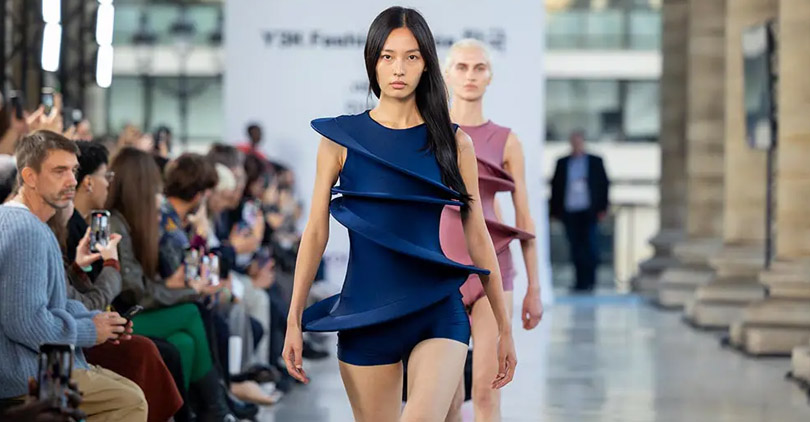
Understanding Fashion as More Than Clothing
Fashion is often viewed simply as what people wear, yet it reaches far beyond garments and accessories. Fashion reflects identity, social values, culture, history, and the evolving nature of human expression. It shapes how people see themselves and how they are perceived by others. From everyday street style to runway showcases, fashion communicates personality, mood, status, and lifestyle. It also responds to global events, technological innovations, and shifting cultural conversations.
To understand fashion in depth is to recognize how it influences art, economics, personal confidence, social belonging, and even environmental priorities. Fashion adapts and reinvents itself constantly, which is why styles from past decades often return with renewed relevance. Every stitch, silhouette, and textile choice plays a role in creating meaning.
The Historical Foundation of Fashion
Fashion has always been connected to storytelling. Clothing historically communicated occupation, cultural group, family lineage, and social ranking. When textile production evolved through trade and industrialization, appearance became a deliberate form of expression.
Early Civilizations
In ancient societies, clothing had functional roots but also conveyed spiritual and symbolic meaning. Ceremonial robes, jewelry choices, and fabric colors reflected beliefs and societal roles.
Medieval to Renaissance Periods
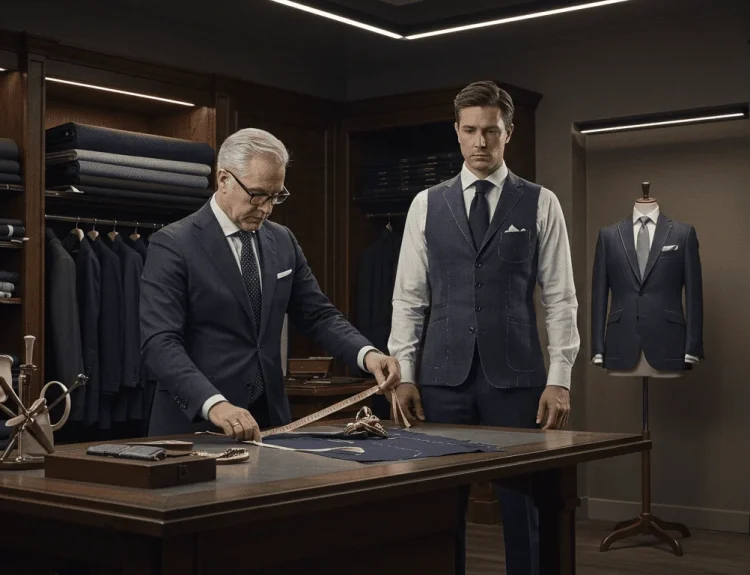
Fashion became more structured and extravagant as monarchs and wealthy families used clothing to showcase power. Tailors emerged, fabrics became more diverse, and silhouettes grew more elaborate. Clothing began to express not only identity but also artistic intention.
Industrial Revolution and Beyond
Mass production changed fashion forever. Ready-to-wear garments became accessible, leading to more widespread style experimentation. Fashion magazines began circulating, shaping public imagination and taste.
The Role of Fashion in Identity and Self-Expression
Fashion allows individuals to communicate who they are without speaking. It can express confidence, creativity, tradition, rebellion, professionalism, or mood. People use clothing to align themselves with groups or stand apart from them.
Fashion and Personality
Different individuals naturally gravitate toward different style identities, such as:
- Minimalist
- Classic
- Romantic
- Edgy
- Bohemian
- Sport-inspired
- Luxury-oriented
The clothing someone chooses often mirrors personal priorities such as comfort, structure, boldness, or subtlety.
Fashion and Emotional Response
Clothing affects how people feel. Wearing a well-tailored outfit can elevate mood and confidence, while uncomfortable clothing can lower focus and energy. This psychological connection is why certain pieces become favorites.
The Business of Fashion
Fashion is a global economic powerhouse involving design, manufacturing, retail, marketing, media, and consumer trends. The business side of fashion requires forecasting demand, sourcing textiles, managing production timelines, and understanding cultural trends.
Designer and Ready-to-Wear Markets
There are two key areas within fashion commerce:
- Designer fashion focuses on craftsmanship, limited production, and artistic direction.
- Ready-to-wear focuses on accessibility, variety, and market demand.
Both influence each other and shape what people wear.
Fast vs. Thoughtful Production
Some companies prioritize speed and cost efficiency, while others focus on ethical production, quality materials, and sustainability. Consumers today are more conscious of sourcing, labor conditions, and environmental impact than previous generations.
Fashion Trends and How They Develop
Trends emerge through cultural influence, media, technology, art, and social movement.
Sources of Trend Influence
- Music and entertainment
- Social media platforms
- Art exhibitions and photography
- Celebrity styling
- Academic research into cultural shifts
- Street culture and subculture fashion
Trends are not random. They reflect collective desires and emotional mood shifts in society.
The Trend Cycle
Trends follow a recognizable path:
- Introduction through innovation or cultural spark
- Adoption by early fashion-forward audiences
- Mainstream popularity
- Saturation and widespread accessibility
- Decline as interest shifts
- Resurgence years or decades later
This cycle explains why vintage styles repeatedly return.
The Importance of Fit and Silhouette
Clothing shape influences how a garment complements the body. Silhouette determines balance, proportion, and visual harmony.
Key Silhouette Categories
- Straight lines for a sleek minimal look
- Curved shapes to emphasize softness and movement
- Structured tailoring for strength and precision
- Oversized shapes for comfort and nonconformity
Finding the right silhouette involves understanding body shape, personal comfort, and desired aesthetic impact.
Fabrics and Their Influence on Fashion
Fabric determines how clothing feels, moves, and holds shape. Choosing fabric thoughtfully enhances comfort, durability, and appearance.
Common Fashion Fabrics
- Cotton for breathability and everyday wear
- Silk for fluidity and elegance
- Wool for structure and insulation
- Linen for natural texture and airflow
- Synthetics for stretch and cost efficiency
Fabric technology continues to evolve through innovation in sustainability, dye processes, and performance fibers.
Fashion and Cultural Identity
Clothing acts as a cultural symbol. Patterns, colors, and textiles often hold historical significance. Traditional garments remain meaningful during celebrations, ceremonies, or moments of heritage pride.
Culture influences fashion, and fashion influences culture in return. As societies become more globalized, style traditions merge, creating new hybrid aesthetics.
Sustainability and Ethical Considerations
Modern fashion conversations increasingly address environmental responsibility. Textile waste, chemical use, and labor conditions are now central concerns.
Conscious Fashion Practices
- Choosing long-lasting garments
- Supporting ethical production
- Repairing and tailoring instead of discarding
- Buying fewer but higher-quality items
- Recycling and upcycling textiles
Sustainability encourages thoughtful consumption rather than impulsive trend chasing.
How to Develop Personal Style
Personal style is not about following trends. It is about choosing clothing that supports comfort, identity, and confidence.
Steps to Build Personal Style
- Identify which silhouettes make you feel your best
- Choose colors that complement your skin tone
- Define your lifestyle needs (work, social, leisure)
- Pay attention to what you naturally reach for most
- Invest in pieces that align with your long-term wardrobe goals
Consistency develops style clarity.
Frequently Asked Questions
How does fashion influence confidence?
When clothing aligns with personality and fits well, it enhances confidence. Feeling comfortable in your outfit improves posture, social comfort, and personal presence.
Are trends necessary to follow?
No. Trends are optional. They offer inspiration, but personal style should guide wardrobe choices. A strong personal wardrobe often lasts longer than trend-based purchasing.
How do I build a wardrobe on a budget?
Start with versatile essentials such as neutral tops, well-fitted jeans or trousers, a tailored jacket, and footwear that works with multiple outfits. Add unique pieces over time instead of buying everything at once.
Does fashion repeat itself?
Yes. Fashion is cyclical. Styles from previous decades return with updates in fabric, fit, and detailing. Vintage inspiration consistently shapes new designs.
What role does color play in fashion choices?
Color affects emotion and perception. Bold colors create energy and presence, while neutral tones offer quiet sophistication. The best color choices are those that reflect mood and personality.
Fashion continues to grow, adapt, and inspire because it is more than clothing. It is expression, storytelling, creativity, and identity woven together. The deeper one looks into fashion, the more it reveals about human connection, cultural memory, and personal individualism.