Understanding the Cultural and Emotional Value of Jewelry
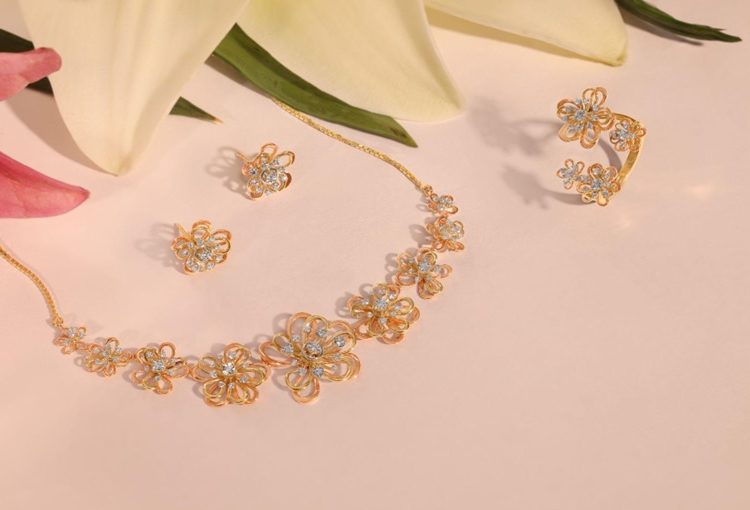
Jewelry is far more than a decorative accessory. It carries personal meaning, cultural identity, emotional memory, and artistic expression. People often select jewelry to represent relationships, achievements, heritage, milestones, or values. Whether it takes the form of a bracelet, necklace, ring, brooch, or earrings, each piece becomes part of a story that evolves over time. From childhood keepsakes to heirlooms that pass through generations, jewelry serves as a link between personal history and present identity.
Many individuals choose jewelry based on symbolism and emotional connection just as much as aesthetic appeal. A piece can remind someone of love, comfort, confidence, or a life transition. Jewelry also reflects culture, as traditional pieces often represent ancestry, spirituality, and belonging.
A Brief History of Jewelry as an Art Form
Jewelry has been cherished since early civilization. Ancient societies used bones, shells, stones, and metals to create wearable symbols of beauty, protection, and status. Throughout history, the purpose of jewelry shifted based on social structures, material technology, and artistic advancement.
Ancient Civilizations
Early jewelry had both decorative and spiritual significance. Amulets protected the wearer from harm. Charms represented blessings or identity. Certain stones were believed to carry healing energy or divine power.
The Renaissance and Rise of Ornamental Crafting
During the Renaissance, artistry in metalwork and gemstone cutting advanced dramatically. Wealthy patrons commissioned jewelers to create intricate pieces that reflected refinement, education, and social ranking. Jewelry became a key indicator of prestige.
Modern Era and Personal Style
In modern times, jewelry is less about rank and more about expressing individuality. People mix vintage and contemporary pieces, combine metals, and choose stones based on personal meaning rather than convention.
Types of Jewelry and Their Purposes
Different forms of jewelry serve unique stylistic and symbolic roles.
Rings
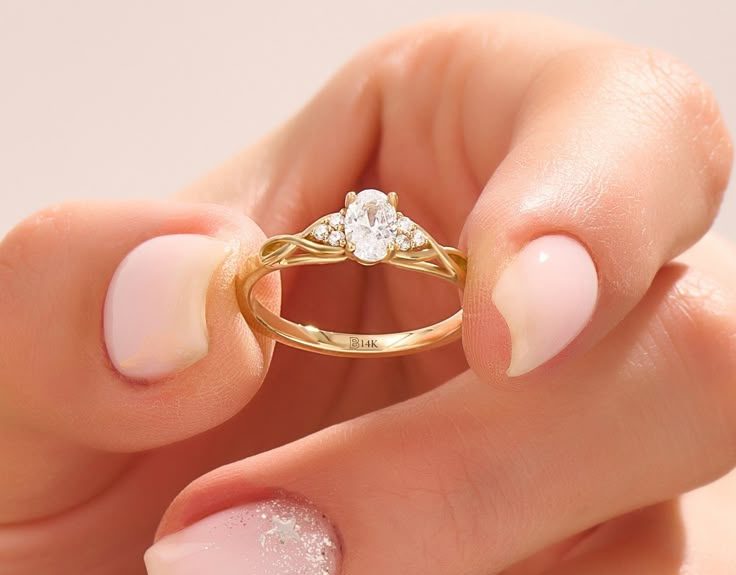
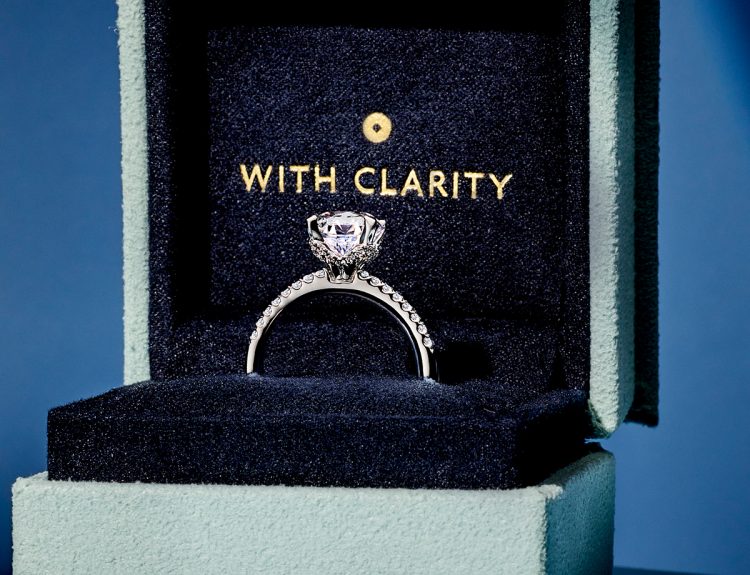
Rings often represent commitment, promise, achievement, or belonging. Wedding bands, signet rings, graduation rings, and simple decorative rings all communicate different forms of identity or connection.
Necklaces
Necklaces draw attention to the neckline and face. Pendants often carry symbolic meaning, while layered chains create modern texture and visual flow.
Earrings
Earrings frame the face and can shift the tone of a look from subtle to bold. Studs create simplicity, hoops add movement, and drop earrings bring elegance.
Bracelets and Bangles
Bracelets can be delicate or statement-making. They layer well, allowing wearers to build combinations that express personality.
Brooches and Pins
These pieces add artistic flair to clothing, hats, scarves, or bags. They often feature intricate detailing and serve as conversation pieces.
Materials Used in Jewelry Making
The materials used in jewelry significantly influence quality, durability, and appearance.
Precious Metals
Metals commonly used include:
- Gold in various karat levels and tones such as yellow, white, and rose
- Silver, known for its versatile shine
- Platinum, valued for its durability
- Palladium for lightweight strength
The metal composition impacts how the piece wears over time and how it interacts with different skin types.
Gemstones
Gemstones carry symbolic associations, personal meaning, and rare beauty.
Categories of gemstones include:
- Precious stones such as diamonds, emeralds, sapphires, and rubies
- Semi-precious stones such as amethyst, aquamarine, topaz, citrine, moonstone, and opal
- Organic gemstones such as pearls, amber, and coral
Gemstones vary in hardness, brilliance, and clarity. Understanding these qualities helps with choosing and caring for them properly.
Alternative and Modern Materials
Contemporary jewelry may incorporate ceramics, wood, leather, enamel, glass, resin, or recycled materials. These choices allow for innovative shapes and ethical considerations.
The Craftsmanship Behind Jewelry Design
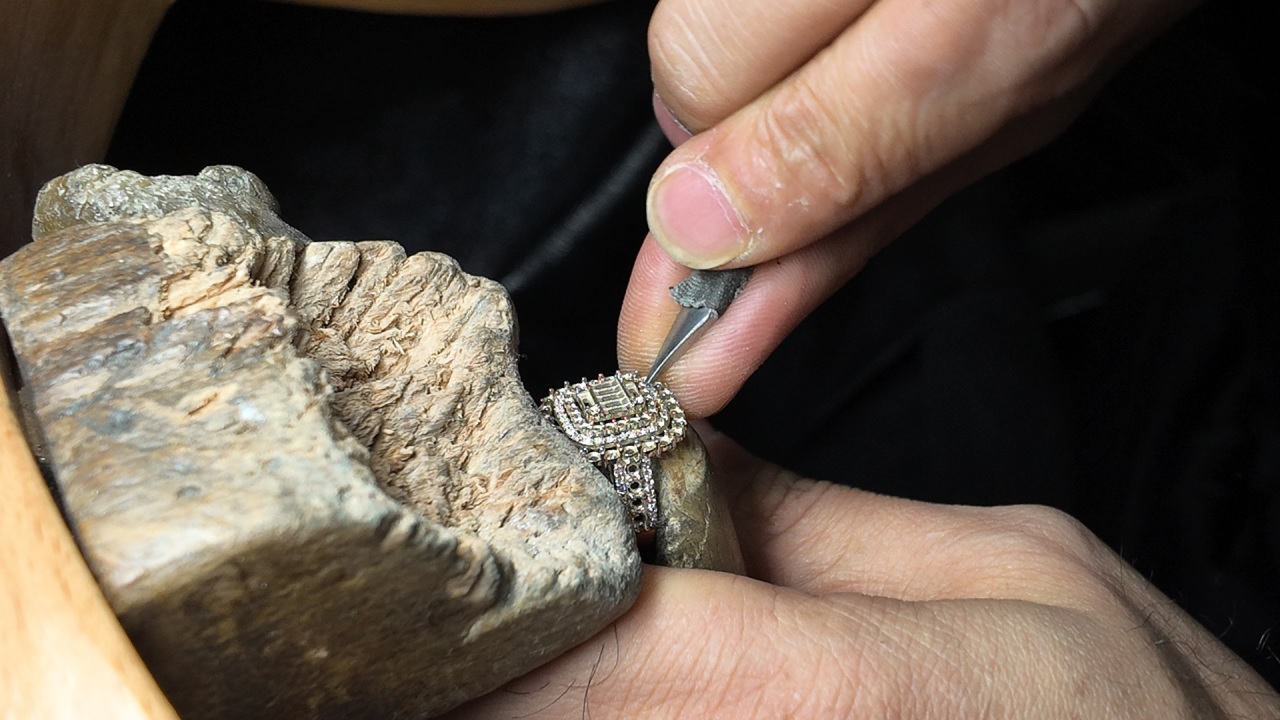
Jewelry design involves a blend of creative vision, technical skill, and precise execution.
Sketching and Conceptualization
Before any material is shaped, designers sketch the piece to outline proportion, structure, and aesthetic direction. Inspiration may come from nature, architecture, cultural patterns, or emotional concepts.
Stone Selection and Setting
Gemstones must be carefully chosen for color match, clarity, and structural stability. Setting determines how secure and visible the stone will be. Popular settings include:
- Prong settings for brilliance
- Bezel settings for protection
- Channel settings for clean, modern lines
Metal Forming and Shaping
Metal can be cast, hammered, carved, or molded. Each method impacts durability and final finish.
Finishing and Polishing
Polishing, texturing, engraving, and detailing bring the final character to the piece. Craftsmanship determines whether jewelry feels refined and timeless or mass-produced and temporary.
Jewelry as a Personal and Cultural Statement
Jewelry communicates identity on multiple levels.
Personal Significance
Many wear pieces that remind them of:
- A loved one
- A meaningful event
- A source of comfort or inspiration
Fashion and Style Expression
Jewelry completes an outfit by adding:
- Texture
- Color
- Balance
- Focal point
The right piece can transform a simple outfit into a confident statement.
Cultural and Heritage Expression
Jewelry often holds national or cultural meaning. Certain shapes, patterns, or gemstones represent values passed down through families and communities.
How to Choose Jewelry That Fits Your Style
Selecting jewelry thoughtfully creates a cohesive and meaningful collection.
Understand Your Personal Style
Ask:
- Do I prefer bold or subtle pieces?
- Do I lean toward classic shapes or artistic designs?
- What feels comfortable to wear daily?
Consider Skin Tone and Undertones
Warm skin undertones often pair beautifully with gold tones, while cool undertones often complement silver or platinum. However, style preference remains more important than rules.
Choose Meaning Over Trend
Trendy pieces may be fun, but meaningful pieces stay valuable over time.
Invest Where It Matters
It is smarter to purchase fewer high-quality pieces than many disposable ones. A timeless ring or necklace can last a lifetime.
Caring for Jewelry to Maintain Quality
Proper care preserves beauty and function.
Storage Tips
- Store pieces separately to avoid scratching
- Keep jewelry dry and avoid humidity
- Use soft pouches or lined boxes
Cleaning
- Polish metals with appropriate cloths
- Gently clean gemstones using mild solutions
- Avoid exposing jewelry to harsh chemicals and cosmetics
Maintenance
- Check clasps and prongs periodically
- Have valuable pieces inspected by a professional
- Repair damage early to prevent stone loss or breakage
Jewelry and Emotional Connection
Jewelry often becomes part of a life story. Pieces gifted or inherited carry emotional memory. Wearing these items can feel grounding and reassuring, making them more symbolic than any trend or aesthetic shift. Jewelry serves as a way to honor the past while moving forward.
Frequently Asked Questions
How can I tell if a piece of jewelry is high quality?
Check the metal marking (such as 14K, 18K, or 925), evaluate the clasp and weight, and examine the gemstone setting. Well-crafted jewelry has secure prongs, smooth finishing, and balanced structure. If something feels too light or poorly polished, it may be lower in quality.
What type of jewelry is best for everyday wear?
Pieces with durable metals such as gold, platinum, or stainless steel and stones like diamonds or sapphires withstand daily activity well. Simple studs, thin chains, stacking rings, and solid bracelets are practical everyday choices.
How do I prevent jewelry from tarnishing?
Store jewelry in airtight containers and keep pieces away from moisture and chemicals. Wearing jewelry often can also help reduce tarnish on certain metals like silver.
Should I match jewelry metals, or can I mix them?
Mixing metals is completely acceptable and can create a stylish layered look. The key is balancing proportions and textures so the pieces complement each other.
How do I choose jewelry as a gift?
Choose based on the recipient’s personality and lifestyle. Notice what kinds of pieces they currently wear. Personalized items, birthstones, or symbols with meaning often make thoughtful and lasting gifts.
Jewelry remains one of the most expressive and enduring forms of personal adornment. Its value comes not only from materials or craftsmanship but from the emotional connection and story held within each piece. When chosen with intention and cared for properly, jewelry becomes more than decoration. It becomes part of identity, memory, and legacy.