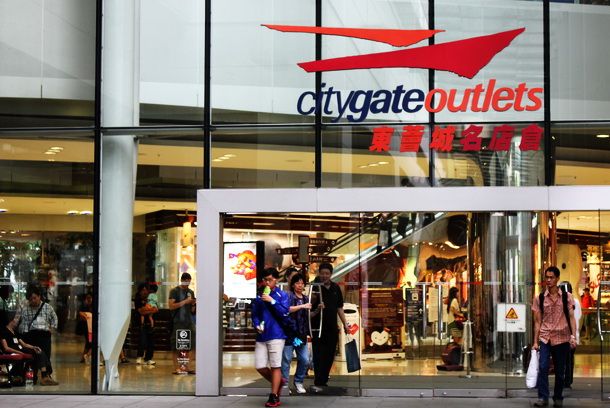
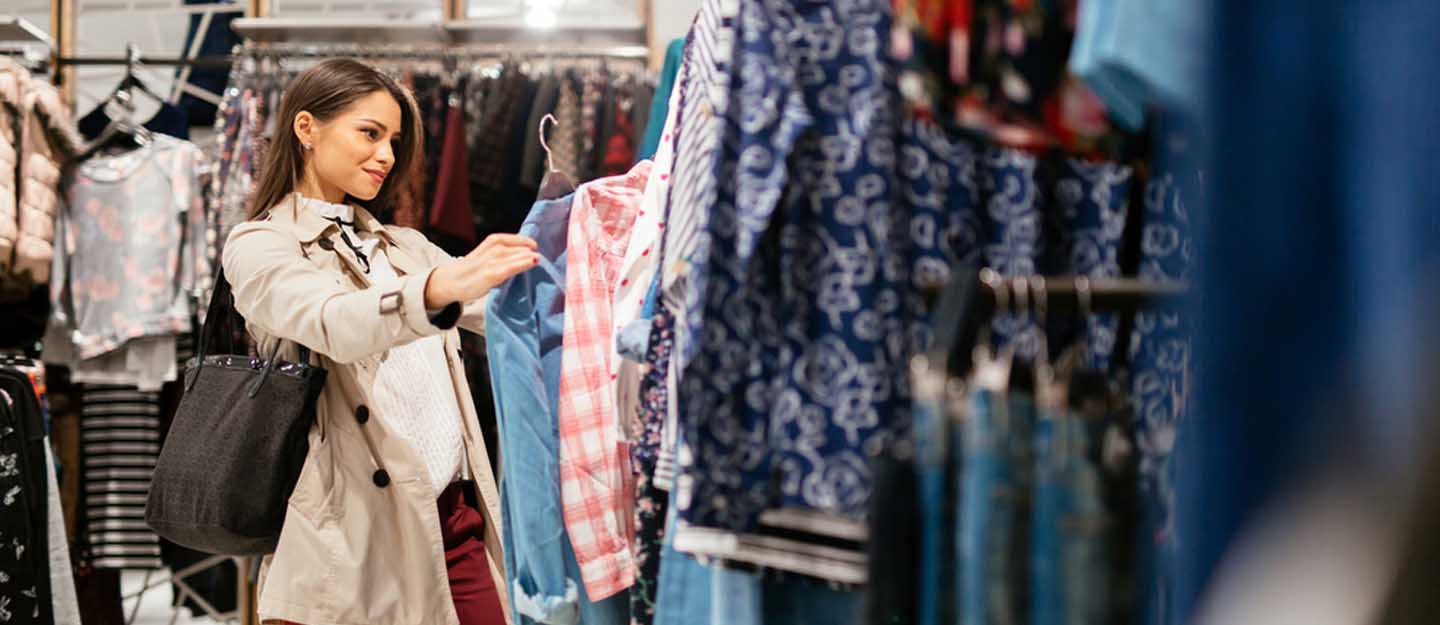
What Makes an Outlet Store Unique
An Outlet Store is designed to offer shoppers quality products at lower prices compared to traditional retail stores. These stores are known for selling items directly from the manufacturer or brand, often including pieces that were overproduced, discontinued, or created specifically for outlet distribution. The value of an outlet environment is not only the discount but the opportunity to explore a wide range of styles and products in one location. Many shoppers view outlet visits as part of a day-long experience, combining browsing, comparing, and discovering deals that fit both budget and lifestyle.
People choose outlet shopping for different reasons. Some appreciate the cost savings, others enjoy the thrill of finding hidden gems, and many like the convenience of having multiple stores in close proximity. Understanding how outlet pricing works and the strategies behind it allows customers to make smart purchasing decisions while maximizing long-term value.
How Outlet Stores Originally Developed
Outlet shopping began as a simple concept. Manufacturers needed a way to sell extra inventory without affecting the pricing of goods in full-price retail stores. Over time, this practice transformed into dedicated retail centers where shoppers could access products directly.
Early Beginnings
Factories once sold damaged or irregularly produced items at reduced prices to employees. Eventually, the concept expanded when manufacturers realized they could offer these items to the public. This shift began the rise of the factory store, where consumers could shop at or near industrial production facilities.
Transition to Shopping Destinations
As consumer interest grew, outlet stores moved into designated retail centers. These centers often offered:
- Multiple brands in one area
- Easy parking and accessibility
- A mix of apparel, footwear, accessories, and home goods
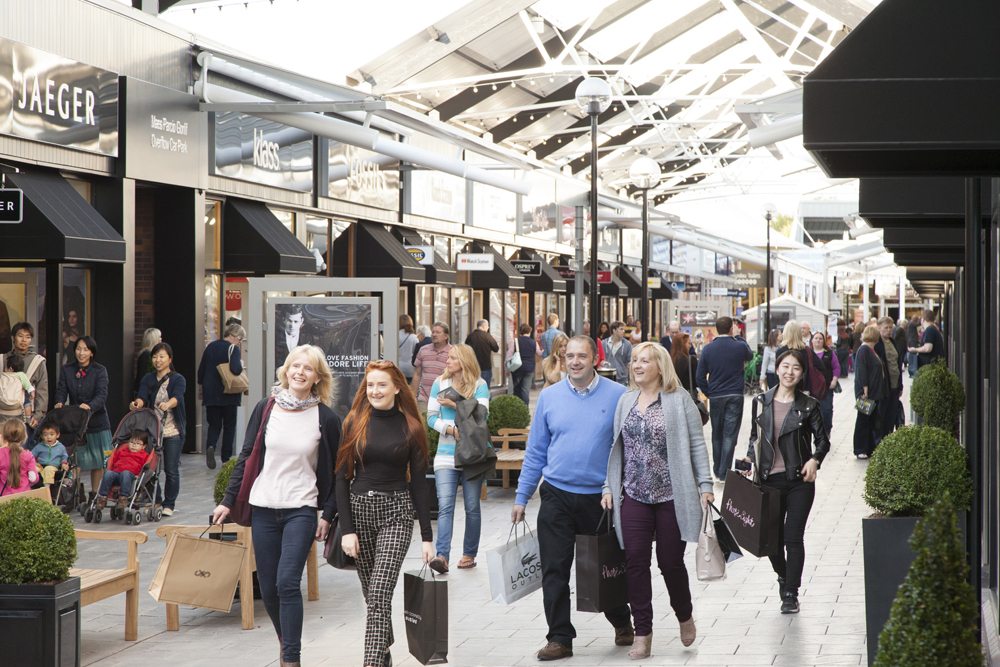
- Indoor or outdoor walking spaces designed for browsing
Outlet locations became intentional shopping destinations rather than simple surplus locations.
Modern Outlet Culture
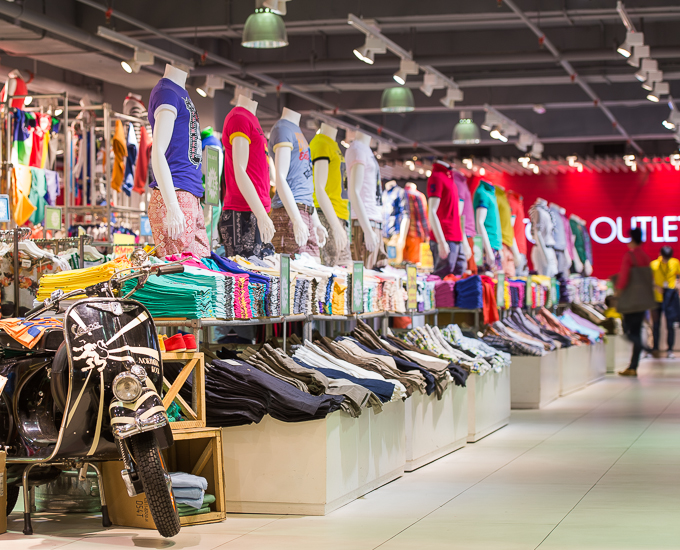
Today, outlet stores are part of a lifestyle retail experience. Many include food courts, entertainment areas, seasonal events, and vacation-adjacent landscapes. The idea of shopping as a leisure activity is central to their appeal.
What Products Are Sold in Outlet Stores
There are several categories of products commonly sold in outlets. Understanding each helps shoppers know what kind of value they are getting.
Past Season or Discontinued Items
When brands update seasonal collections, they often remove items currently on shelves to make space for new arrivals. These discontinued pieces are then sent to outlet stores where they can be sold at reduced prices.
Overstock Inventory
When demand is overestimated, manufacturers produce more than retailers can sell. Rather than storing excess inventory, they route it to outlet locations. Shoppers benefit by receiving brand-name items at significantly lower prices.
Items Made for Outlet Distribution
Not everything in an outlet store comes from full-price retail overflow. Some items are produced specifically for outlet sale. These pieces may differ slightly in construction, materials, or detailing. They are still new but are made to help maintain accessible pricing.
Returned Items
Some stores send gently handled returned items to outlets. These goods are typically inspected for wear or damage before being made available.
Navigating Outlet Pricing and Discounts
Understanding pricing strategy helps shoppers recognize real value.
Price Tags and Labels
Price tags often show:
- Manufacturer suggested price
- Outlet price
- Additional promotional discount
The comparison allows shoppers to see savings clearly, but it is still wise to evaluate craftsmanship and materials to ensure the product meets personal expectations.
Seasonal and Clearance Cycles
Discounts often increase during specific times:
- End of season transitions
- Major holidays
- Back-to-school periods
- Early winter and early summer clear-outs
Knowing when to shop allows shoppers to gain maximum savings.
Bulk Buying and Multiple Item Offers
Outlet stores sometimes encourage purchasing multiple items for larger discounts. These promotions benefit those shopping for families or wardrobes rather than single items.
Evaluating Quality While Shopping at Outlet Stores
Quality can vary depending on the type of product. Shoppers can use several strategies to assess quality effectively.
Check Fabric and Material Composition
Look for:
- Sturdy stitching
- Fabric density and texture
- Even patterns and seams
- Consistent finishes such as buttons, zippers, and clasps
Quality fabrics feel durable and retain structure over multiple wears.
Try On Items
Fit is one of the most important factors in long-term satisfaction. Outlet stores typically have fitting rooms, allowing shoppers to make confident decisions instead of guessing.
Compare Items Within the Store
It can help to compare multiple pieces of the same type. Slight variations can reveal which items were produced for outlets and which came from full-price collections.
The Outlet Store Shopping Mindset
Approaching outlet stores with the right mindset increases satisfaction and reduces impulse purchases.
Go in With a Purpose
Having a shopping objective such as finding outerwear, basics, accessories, or event-specific wear helps maintain focus.
Allow Time to Explore
Outlet shopping encourages discovery. Browsing slowly allows shoppers to identify unique finds and evaluate quality rather than rushing.
Be Flexible
Some days produce amazing deals, while others do not. Outlet inventory shifts frequently. A flexible mindset leads to better long-term shopping success.
Outlet Store Benefits Beyond Price
Shoppers frequent outlet stores for more than discounts.
Convenience and Variety
Outlet centers often bring dozens of storefronts together. Shoppers can compare styles, prices, and quality without traveling to multiple mall locations.
Access to Extended Size Ranges
Many outlet stores stock broader ranges of sizes, including petite, tall, and plus size options that may not be consistently available in standard retail environments.
Family-Friendly Shopping
Outlet centers typically provide:
- Wide walkways
- Seating areas
- Food courts and snack stations
- Strollers and accessibility accommodations
This makes outlets suitable for group shopping or family visits.
Sustainability and Outlet Shopping
Buying from outlet stores can support more sustainable fashion practices by giving unsold or overstocked items a path to consumers rather than landfills.
Reducing Waste
When shoppers choose pieces that may have otherwise gone unused, it supports a more resourceful retail cycle.
Value Beyond Trend Cycling
Because outlet items are often timeless or from past seasons, consumers may be encouraged to build wardrobes around durability rather than short-lived trends.
How to Get the Most Out of Outlet Shopping
Strategic shopping turns outlet visits into long-term wardrobe investments.
Plan Visits During Low-Traffic Hours
Weekdays and mornings typically offer better browsing environments.
Join Store Mailing Lists
Many outlets notify subscribers of additional promotions or exclusive shopping events.
Bundle Purchases When Discounts Apply
Buying multiple related items when promotions align increases total savings.
Frequently Asked Questions
Are outlet store items lower quality than full-price retail items?
Some items are identical to full-price store versions, while others are manufactured specifically for outlet distribution. The best approach is to evaluate stitching, fabric, and finishing. Quality depends more on material and craftsmanship than on where the item is sold.
How often does merchandise change in outlet stores?
Inventory can shift weekly or monthly depending on shipments. Seasonal changes usually bring the largest restocks.
Are outlet prices always the lowest available?
Not always. Online sales, clearance events, or off-season retail shopping can sometimes match outlet pricing. Comparing pricing helps ensure the best deal.
Do outlet stores offer returns?
Most outlet stores have return policies, but they may differ from full-price retail policies. It is important to review the return terms before purchasing, especially during clearance promotions.
Is it better to shop outlets alone or with others?
It depends on personal shopping style. Solo shopping helps with focus, while shopping with others provides collaborative feedback and shared enjoyment. Both can work well when the shopper maintains clear goals.
Understanding how outlet stores work allows shoppers to approach their experience with clarity and confidence. By evaluating product quality, recognizing pricing strategies, and planning visits thoughtfully, it becomes possible to shop smartly and build a wardrobe that aligns with personal style, comfort, and budget.