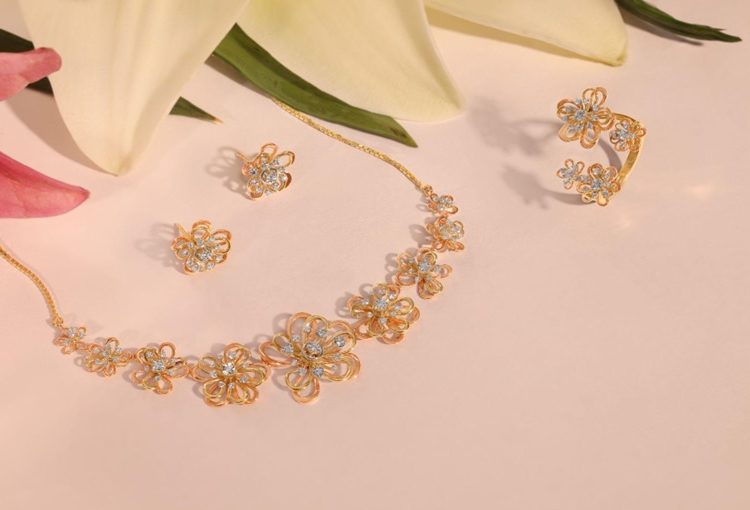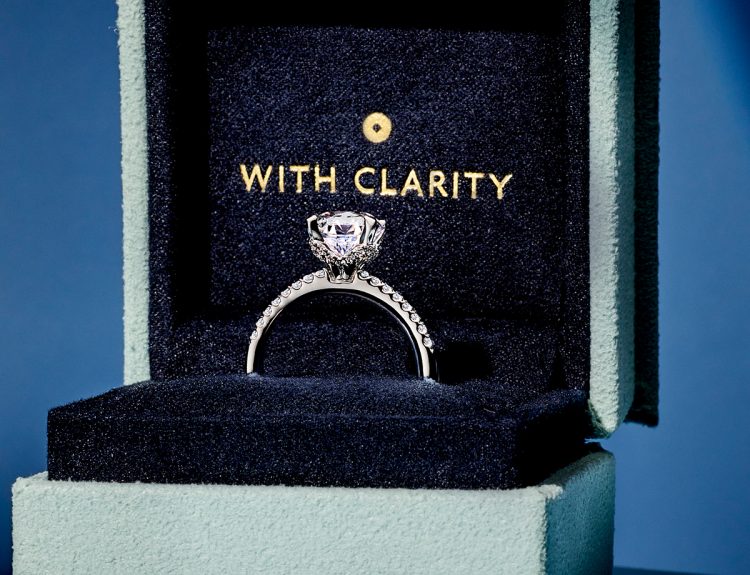
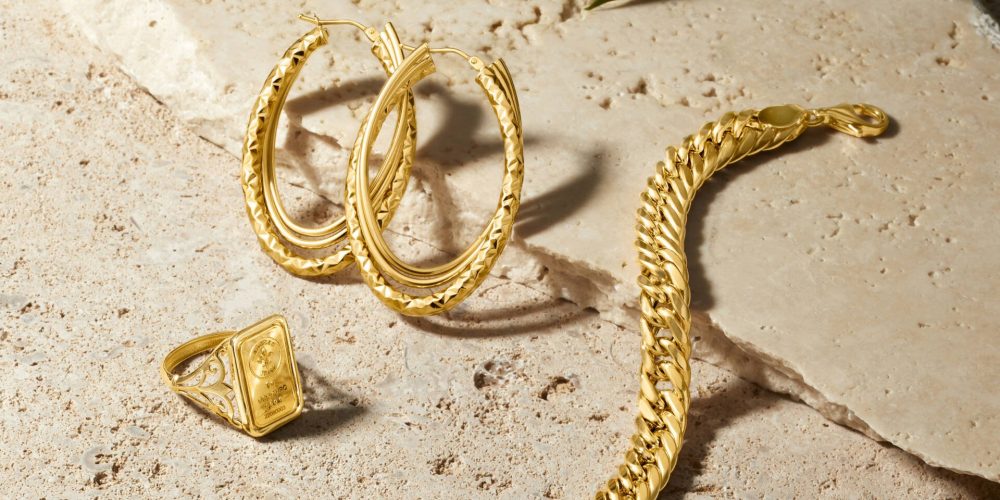
Jewelry carries meaning far beyond personal decoration. It reflects identity, tells stories, and bridges emotional, cultural, and generational connections. A single ring or necklace can mark a moment in life, represent a relationship, or symbolize an achievement. For centuries, people have used jewelry to express status, faith, creativity, and memory. When chosen intentionally, jewelry becomes part of a person’s self-expression and legacy. Unlike many fashion items that fade quickly with changing trends, jewelry often remains relevant for decades, sometimes centuries, because its value comes from craftsmanship, material quality, cultural symbolism, and emotional significance.
Many individuals purchase jewelry not only for style but also for long-term worth. Gemstones, precious metals, and masterful designs often retain or increase in value. Understanding how jewelry is made, what influences its price, and how to choose the right pieces ensures that jewelry remains meaningful and enduring for the wearer.
The Cultural and Emotional Meaning of Jewelry
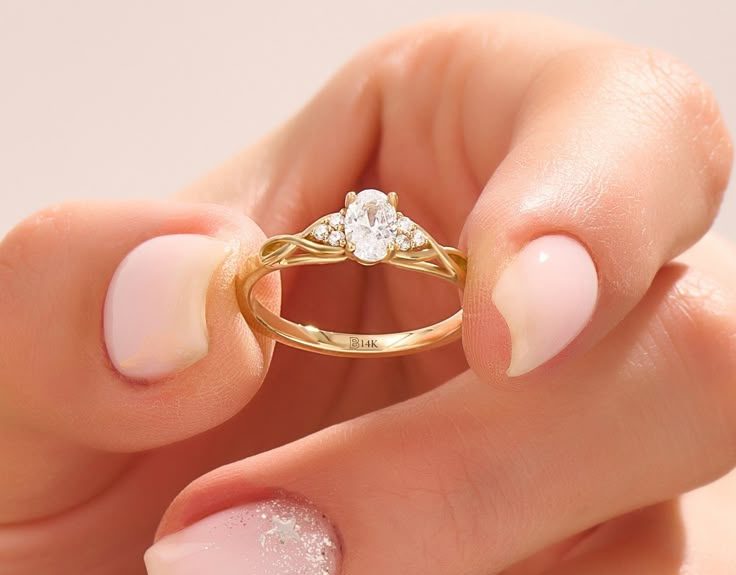
Jewelry plays a major role in how people mark important life transitions and relationships. Engagement rings symbolize partnership and promise. Graduation pendants commemorate achievement. Heirloom pieces connect generations, carrying the memories of those who wore them before. In many cultures, jewelry is gifted during births, marriages, rites of passage, and anniversaries.
Jewelry as Personal Expression
A person’s jewelry choices reveal aspects of personality:
- Minimalists may gravitate toward simple gold bands or delicate chains.
- Artistic individuals may prefer sculptural or unusual gemstone settings.
- Sentimental wearers often choose pieces connected to memories or people.
Jewelry becomes a language through which people communicate individuality, emotional depth, and aesthetic preference.
Jewelry and Cultural Identity
Traditional jewelry styles incorporate symbols, motifs, and materials tied to specific regions or heritages. Wearing such pieces can express pride, belonging, or cultural preservation. In some cultures, jewelry also serves as a form of financial security passed through generations.
The Craftsmanship Behind Fine Jewelry
Craftsmanship influences how jewelry looks, feels, and lasts. Understanding the process behind jewelry construction helps buyers recognize quality and make informed choices.
Design and Concept Development
Jewelry often begins with conceptual sketches. Designers consider proportion, balance, movement, and the emotional tone of the piece. Details such as curve, weight, and symmetry affect both comfort and visual appeal.
Metalworking Techniques
Various techniques impact strength, finish, and durability:
- Casting shapes molten metal into a defined mold.
- Hand fabrication involves shaping metal through tools, hammering, cutting, and soldering.
- Engraving adds fine detail and personalization.
- Polishing produces the final texture and shine.
Higher craftsmanship results in smoother finishes, stronger joints, and more refined detail.
Gemstone Cutting and Setting
Cutting determines how a gemstone reflects light. A well-cut stone exhibits depth, brilliance, and clarity. Setting techniques secure the stone while showcasing its beauty. Common settings include:
- Prong settings for maximum light exposure.
- Bezel settings for increased protection.
- Pave settings for multiple small stones that create shimmering surfaces.
The precision of the setting directly influences durability and appearance.
Understanding Gemstones and Their Qualities
Gemstones vary in rarity, sparkle, and structure. Evaluating gemstones involves considering color, clarity, cut, and durability.
Precious and Semi-Precious Stones
- Precious stones include diamonds, sapphires, rubies, and emeralds. They are traditionally valued for beauty and rarity.
- Semi-precious stones include amethyst, topaz, citrine, opal, aquamarine, and many others. These stones offer wide variety and personal expression.
Gemstone Hardness and Everyday Wear
Hardness affects how well a stone withstands scratches and chips. For example:
- Diamonds are extremely durable and suitable for everyday wear.
- Emeralds are beautiful but more delicate and require more careful handling.
- Opals and pearls are softer and often better for occasional or special-occasion wear.
Choosing gemstones according to lifestyle ensures longevity.
Materials Used in Jewelry and Their Impact on Value
Metal selection affects durability, comfort, and long-term value.
Gold
Gold comes in different karats, indicating purity level. Higher karat gold is softer and richer in color. Lower karat gold is stronger and better for daily wear. Gold also appears in different tones such as yellow, rose, and white, each achieved through metal blending.
Silver
Silver is bright and affordable, but it can tarnish over time. Proper storage and polishing maintain its beauty.
Platinum
Platinum is dense, hypoallergenic, and highly durable. It is often chosen for engagement rings or pieces meant for lifelong wear.
Alternative Materials
Modern jewelry may incorporate stainless steel, titanium, ceramic, or recycled materials. These options allow for durability, affordability, and environmentally considerate choices.
Selecting Jewelry with Purpose
Choosing jewelry intentionally ensures lasting value emotionally and financially.
Consider Usage
Ask yourself:
- Will this piece be worn daily or occasionally?
- Does it match my wardrobe and personal style?
- Will this piece feel comfortable and practical?
Pieces worn daily should be durable, smooth-edged, and well-set. For occasional pieces, more elaborate designs may be suitable.
Evaluate Personal Style Curves
Many people’s style evolves gradually. Choosing pieces that feel authentic now and adaptable later creates timelessness.
Prioritize Meaning
Jewelry connected to memory or identity tends to remain significant regardless of changing trends.
Jewelry as a Long-Term Investment
Some jewelry appreciates in value. Factors influencing investment potential include:
- Material purity
- Gemstone rarity and quality
- Proven craftsmanship
- Historical or designer significance
While not all jewelry should be purchased for investment, understanding value helps avoid overspending on trend-driven pieces.
How to Build a Personal Jewelry Collection
Start with:
- One versatile necklace
- A high-quality pair of earrings
- A signature ring or bracelet
- A meaningful piece with sentimental symbolism
Over time, add pieces that complement or elevate the existing collection, rather than pieces that only match fleeting trends.
Caring for Jewelry to Preserve Longevity
Proper care preserves both appearance and value.
Storage
- Keep pieces separated to prevent scratches.
- Store silver in anti-tarnish cloths.
- Protect delicate gemstones from extreme temperature changes.
Cleaning
- Use mild solutions and soft brushes.
- Avoid ultrasonic cleaners for porous stones like opal or pearl.
- Clean regularly to restore shine and remove buildup.
Inspection and Maintenance
Have prongs, clasps, and settings checked periodically to prevent loss or damage. Early repair prevents costly restoration later.
Jewelry and Emotional Legacy
Jewelry often becomes a form of family storytelling. A ring worn for decades carries the energy, history, and experiences of the person who wore it. Passing down jewelry creates emotional continuity within families. This is why many heirlooms are cherished more for their memory than their monetary value.
Frequently Asked Questions
How can I tell if a piece of jewelry is worth investing in?
Look for high-quality metal hallmarks, strong craftsmanship, secure gemstone settings, and reputable sourcing. Pieces with historical, artisanal, or gemstone rarity tend to retain value better than mass-produced trend pieces.
How should I choose jewelry for everyday wear?
Choose items that are smooth, well-set, and made from durable materials like platinum, gold, or harder gemstones. Simple studs, slim bands, and short chains often work well for daily comfort.
Are gemstones with inclusions considered lower quality?
Not always. Some inclusions are natural and can add character. Transparency, brightness, and structural integrity are more important than absolute clarity for many stones.
How do I safely travel with jewelry?
Use travel jewelry cases, keep pieces separate, and avoid placing valuable pieces in checked luggage. If possible, wear your most valuable items instead of packing them.
Why do some jewelry pieces hold sentimental value even if they are not expensive?
Meaning often outweighs price. Jewelry tied to memory, relationships, or personal milestones carries emotional significance that cannot be measured financially.
Jewelry remains one of the most meaningful forms of personal expression and artistic craftsmanship. When chosen thoughtfully and cared for properly, it becomes a lasting companion through life’s most important moments, reflecting identity, memory, and value that endures.