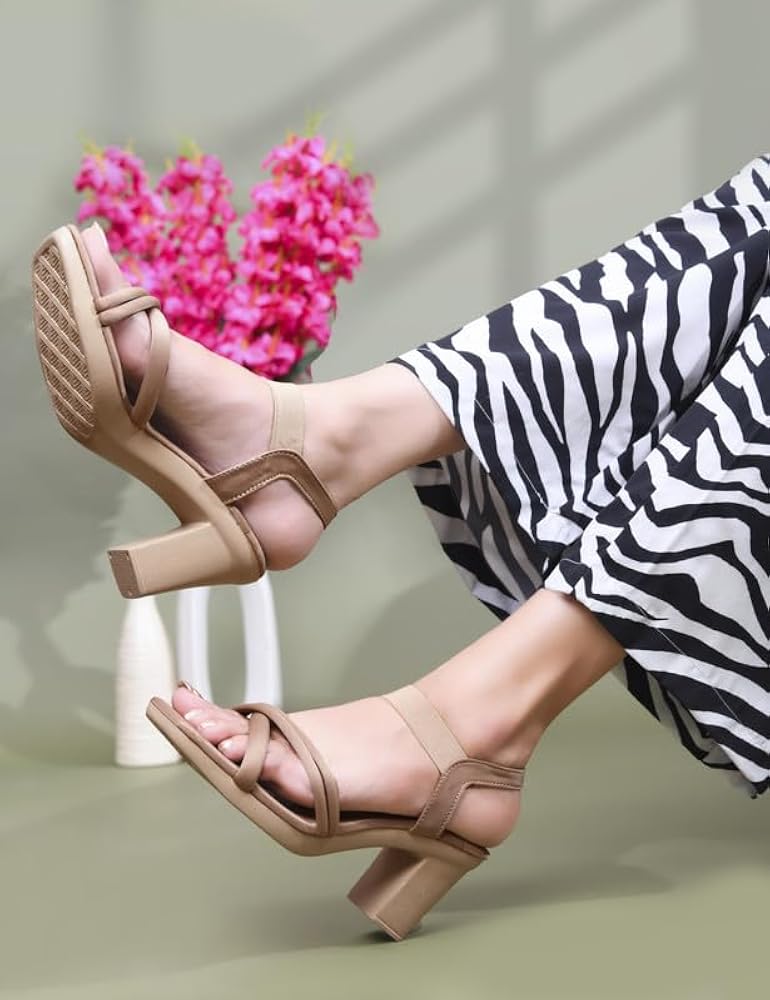
Few wardrobe malfunctions are as quietly infuriating as a pair of heels that will not stay put. You fall in love with a sleek pair of pumps, confirm the size feels reasonable in the fitting room, and step out the door with confidence. Within twenty yards, the familiar nuisance begins: with every stride, your foot lifts cleanly out of the shoe, producing that telltale clopping sound and turning a natural, poised walk into a tense, shuffling struggle.
Beyond the aesthetic awkwardness of constantly stepping out of your footwear, heel slippage is physically exhausting. To keep the shoes on, your toes involuntarily curl downward into a defensive grip known as clawing. That constant tension strains the arches, irritates the plantar fascia, and accelerates the formation of painful friction blisters right along the Achilles tendon.
Solving this problem rarely requires banishing the shoes to the back of the closet. In fact, heel slippage is rarely a sign that you simply bought the wrong numerical shoe size. It is almost always a mechanical issue involving friction, foot shape, and shoe construction. By understanding the forces at play and applying targeted, field-tested remedies, you can stabilize your footing and walk with effortless security.
The Underlying Mechanics: Why Heels Slip in the First Place
Before spending money on random inserts, it helps to understand why your heel separates from the shoe counter. Shoe fit is three-dimensional, but most standard sizing only accounts for two dimensions: overall length and broad width.
The Gravitational Slide and Incline
High heels place the foot on an artificial downward pitch. Gravity naturally pulls your body weight down the slope, forcing the metatarsal area—the ball of the foot—forward into the toe box. As your foot wedges forward, it creates empty space at the rear of the shoe. Even if a pump fits snugly when you stand stationary, dynamic movement pushes the foot toward the toes, leaving the heel cup loose and unsupported.
Sole Rigidity and the Lever Effect
When you take a step in a flat shoe or a sneaker, the rubber sole flexes easily with the natural roll of your foot from heel-strike to toe-off. Dress heels, particularly new ones with thick leather outsoles and rigid steel shanks, do not bend easily. When you lift your heel to take a step, the shoe’s stiff bottom wants to stay flat on the ground. Instead of bending along with your foot, the rigid back of the shoe acts as a lever, actively pulling the heel counter downward and away from your foot.
The Combination Foot Dilemma
A significant percentage of the population has what podiatrists call a combination foot: a wide ball across the toes paired with a narrow heel bone. Off-the-rack shoes manufactured on commercial lasts are cut to standard proportions. If you size up to accommodate the widest part of your forefoot, the heel portion will almost certainly be too voluminous for your narrow calcaneus.
Surface Friction Loss
Smooth leather footbeds combined with sheer nylon hosiery or perspiration create an almost frictionless surface. Without sufficient traction inside the shoe, your foot glides forward and back like a puck on an air-hockey table, making slippage inevitable regardless of how well the shoe matches your foot length.
Front-of-Foot Solutions: Stop the Slide at the Source
The most common mistake people make when addressing heel slippage is focusing exclusively on the back of the shoe. If your foot is sliding forward into the toe box, sticking a pad behind your heel only pushes your foot further forward, worsening toe crowding. Often, the fastest way to fix the back of the shoe is to secure the front.
Half-Insoles and Metatarsal Cushions
A textured half-insole placed beneath the ball of the foot is the single most effective countermeasure against heel slippage. By resting directly under the metatarsals, a thin suede, poron, or textured silicone pad creates a tactile speed bump. It prevents the ball of the foot from sliding into the narrow taper of the toe box. When your forefoot stays anchored where it belongs, your heel remains seated against the back counter. Suede or microfiber inserts are generally superior to smooth gel alternatives, as they absorb moisture and provide consistent grip even on humid days.
Instep and Tongue Padding
If you are wearing pumps, Mary Janes, or ankle-strap heels with noticeable vertical space between the top of your foot and the upper shoe material, an instep pad works wonders. Placing a small adhesive cushion under the vamp—the top underside of the shoe that covers the bridge of your foot—gently pushes your foot downward and backward into the heel seat. This simple addition closes excess volume across the instep without cramming your toes.
Mastering the Back of the Shoe: Heel Grips Done Right
Heel grips—cushioned strips designed to line the inner back collar of a shoe—are everywhere, yet many people find they peel off or fail within an hour. The problem is usually poor placement and material choice.
Choosing the Right Material
Skip hard, glossy gel strips. They may look discreet, but as soon as your foot generates body heat or moisture, gel turns slick and loses traction. Instead, seek out brushed suede, microfiber, or high-density foam grips. The napped texture of genuine suede physically grips the weave of your stockings or the natural texture of your skin, providing reliable resistance against upward movement.
The Achilles Notch Placement Rule
Most people stick heel grips along the top rim of the shoe counter, level with the collar opening. When placed there, your foot catches the top edge of the pad every time you slip the shoe on, peeling the adhesive loose within minutes.
The correct position is slightly lower, situated directly in the Achilles tendon notch. Place the grip so it fills the natural indent directly above your heel bone and below your ankle joint. When positioned in this hollow, the pad creates an anatomical lip that locks your heel into the cup of the shoe as you step forward, rather than merely narrowing the opening.
Breaking the Lever: Softening the Sole
If your heel pops out solely because the outsole is too stiff to bend, no amount of padding will resolve the issue permanently. You must help the shoe break in so it flexes with your foot.
Before taking a new pair of stiff-soled heels out for a long evening, sit down and manually work the sole. Hold the heel firmly in one hand, grasp the toe box with the other, and gently bend the toe upward toward the opening several times. You are not trying to snap the internal shank, but rather to introduce flexibility into the virgin leather or composite outsole at the exact point where your metatarsal joints bend. A flexible outsole bends with your stride, reducing the mechanical pull that drags the back collar down off your foot.
Overcoming Hosiery and Moisture Challenges
Slick nylon stockings are the primary driver of heel slippage in formal and professional environments. If you frequently wear hosiery, mechanical adjustments must account for reduced textile friction.
Cotton-Soled and Silicone-Gripped Hosiery
Modern hosiery manufacturers now produce sheer tights and knee-highs featuring integrated cotton pads or silicone treads on the soles. These textured zones provide crucial traction against the smooth inner sole of a dress pump, eliminating the frictionless slide that causes your foot to migrate forward.
Double-Sided Wardrobe Tape and Skin Adhesives
For open styles like slingbacks or mules that slip off despite proper sizing, skin-safe adhesive is a lifesaver. High-grade double-sided fashion tape or specialized roll-on body adhesives—frequently used by ballroom dancers and gymnasts—can be applied directly to the heel sole or the inner band of the shoe. A thin layer of roll-on adhesive keeps straps anchored to the skin for hours and washes off cleanly with warm water, leaving no residue on high-end leather linings.
Keeping the Footbed Dry
Perspiration acts as an unwanted lubricant inside enclosed shoes. Applying an unscented antiperspirant spray or roll-on to the soles of your feet thirty minutes before dressing dramatically reduces sweat production. For a quick dry solution, dusting the footbed with a light coat of talc-free cornstarch or arrowroot powder absorbs mid-day humidity and restores surface traction.
Structural and Cobbler Interventions
When over-the-counter modifications fall short, particularly on investment footwear or vintage finds with unique proportions, a skilled cobbler can offer permanent structural solutions.
Elastic Collar Installation
A cobbler can install a short segment of hidden elastic inside the back collar of the shoe. When stitched under tension beneath the lining, the elastic gathers the top edge of the heel counter slightly inward. The shoe relaxes outward as you slide your foot in, then snaps gently back against the curve of your Achilles tendon, holding the shoe securely in place without altering its external appearance.
Adding Discreet Straps
If you have exceptionally narrow heels or very flat arches, traditional pumps may never stay anchored during extended walking. An experienced cobbler can craft and attach matching leather ankle straps, cross-instep straps, or delicate T-straps. Alternatively, you can purchase clear, removable silicone straps that wrap under the arch of the shoe and over the instep, completely invisible from a few feet away, providing rock-solid stability for long events and dancing.
A Pre-Purchase Fit Strategy for Future Pairs
Preventing heel slippage is always easier when shopping with the right criteria in mind:
-
Measure heel-to-ball, not just heel-to-toe. Ask an associate at a dedicated shoe boutique to measure your foot with a Brannock device, paying close attention to arch length. If your arch is long, you may need a size that matches where your foot bends, rather than where your toes end.
-
Opt for Mary Janes, slingbacks with buckles, or lace-up styles. If your heel anatomy makes slip-on pumps a recurring battle, silhouettes with built-in retention allow you to adjust tightness around the instep.
-
Test on hard floors. Carpet masks heel slippage because the plush pile absorbs downward pressure and drags the shoe upward with your foot. Always pace across bare hardwood or tile before finalizing a purchase.
A slipping heel is an engineering imbalance, not an inevitable tax you must pay for wearing attractive footwear. By anchoring the ball of your foot, choosing textured suede heel grips in the Achilles hollow, and ensuring the sole flexes naturally with your stride, you can enjoy your favorite heels with complete stability and poise.