
Understanding the Role of Dresses in Modern Style
Dresses have remained one of the most versatile and expressive pieces in fashion. Whether worn casually, professionally, or for a special event, they reflect personality, culture, and lifestyle in noticeable ways. The appeal of dresses lies in their ability to deliver elegance with simplicity while offering comfort and creativity in how they shape the silhouette.
Choosing the right dress involves more than selecting something that looks attractive on a hanger. It includes understanding fabric behavior, body proportions, seasonal influences, color psychology, and the event or environment where it will be worn. This depth of consideration is what transforms a dress from just clothing into a personal style statement.
The History and Evolution of Dresses
Throughout history, dresses have served various social, cultural, and functional purposes. Their shapes and materials evolved depending on available textiles, climate, and symbolic meaning.
Early Functional Garments
In ancient civilizations, dresses were primarily practical. Loose draped garments were common due to climate and ease of assembly. Fabric wrapped around the body allowed mobility and ventilation.
Symbol of Status and Identity
As weaving techniques developed, dresses became markers of:
- Social class
- Occupation
- Marital status
- Regional identity
Color dyes, embroidered detailing, and fabric quality conveyed economic status and lineage.
Modern Fashion Adaptation
Today, dresses are democratized. Anyone can choose a dress based on preference rather than social assignment. Contemporary brands reinterpret classic silhouettes with updated cuts, materials, and design aesthetics.
Key Dress Silhouettes and Their Purposes
A-Line Dress
The A-line dress flares gently from the waist, resembling the letter A. Its purpose is to balance the frame while offering a flattering silhouette.
Best For
- Creating a defined waist
- Softening hips or broad shoulders
- Everyday wear to formal occasions
Sheath Dress
A sheath dress skims the body’s natural lines without clinging. It is typically professional and polished.
Best For
- Office meetings
- Corporate events
- Dinner engagements
Fit-and-Flare Dress
This style accentuates the waist and flares at the hips. It creates a dynamic hourglass effect.
Ideal Body Focus
- Enhancing natural curves
- Adding balance to straight or athletic body types
Wrap Dress
With its adjustable tie closure, the wrap dress is known for comfort and adaptability.
Benefits
- Works across body shapes
- Provides customizable fit
- Suitable for both casual and dressy settings
Maxi Dress
The maxi dress offers full-length flow and movement. It provides comfort while maintaining elegance.
Worn For
- Warm weather outings
- Beach vacations
- Garden parties
Bodycon Dress
Bodycon dresses contour closely to the body, emphasizing shape and confidence.
Best Used In
- Evening settings
- Celebrations and social events
- Occasions where bold styling is desired
Understanding Fabrics and Their Effects on Fit
Cotton
A breathable and easy-care fabric. Works well for casual and daytime wear.
Silk
Smooth, luxurious, and highly flowy. Enhances movement and drape.
Linen
Lightweight and ideal for warm environments. Offers a relaxed, textured look.
Polyester Blends
Durable and wrinkle-resistant. Common in dresses requiring shape retention.
Jersey Knit
Stretchy and comfortable. Suitable for wrap and casual everyday dresses.
Choosing Dresses by Body Shape
Hourglass Shape
Focus on defining the waist while allowing natural curves to show. Fit-and-flare, wrap, and belted dresses are top options.
Pear Shape
Balance is key. A-line dresses draw attention upward while keeping the hip area smooth.
Apple Shape
Empire waist and shift dresses help create a refined and balanced profile.
Rectangle Shape
Look for dresses that introduce curvature, such as ruched, belted, or layered silhouettes.
Dress Length and Occasion Appropriateness
Mini Length
Playful and youthful. Works best in informal or semi-casual social settings.
Knee Length
A universal length suited to professional and everyday wear.
Midi Length
Highly versatile and stylish. Offers sophistication while remaining functional.
Floor Length
Reserved mostly for formal or ceremonial events. Often paired with formal accessories.
Color Selection and Emotional Impact
Color affects mood, perception, and how others respond to appearance.
- Black: Timeless, slimming, versatile
- White: Clean, bright, and symbolic in many cultures
- Red: Bold, confident, dramatic
- Pastels: Soft, gentle, approachable
- Earth Tones: Warm, grounded, and natural
Choosing the right color involves considering personal undertone, environment, and event purpose.
Seasonal Dress Selection
Spring
Light fabrics, floral prints, layered silhouettes.
Summer
Breathable textiles, vibrant colors, flowy lines.
Fall
Neutral tones, structured fabrics, layering pieces like cardigans and blazers.
Winter
Warm materials and darker hues, often paired with tights, boots, and outerwear.
Accessories That Elevate Dress Styling
Belts
Define waist and modify silhouette shape.
Jewelry
Adds personality and communicates style character.
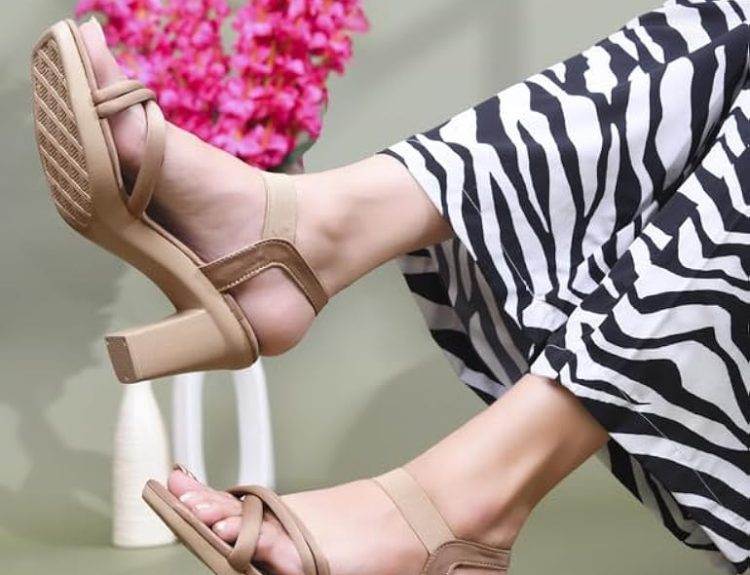
Footwear
Should complement both length and tone of the dress.
Examples:
- Heels for height and elegance
- Flats for comfort and simplicity
- Boots for bold styling
Bags
Structured bags for professional settings and soft clutches for evening events.
Practical Tips for Shopping and Fit
- Assess how the fabric behaves when moving or sitting.
- Check shoulder seam placement to avoid an oversized look.
- Ensure length coordinates with intended footwear.
- Consider tailoring for perfect fit.
- Avoid impulse buying based solely on trend.
Care and Maintenance of Dresses
Proper care extends the life and quality of dresses.
- Use garment bags for delicate fabrics.
- Hand-wash or use gentle cycles when appropriate.
- Steam instead of iron for refined finishing.
- Store dresses in cool, dry conditions to prevent fabric damage.
Frequently Asked Questions
How do I choose the right dress for a professional workplace?
Look for knee-length or midi silhouettes with structured fabrics. Neutral or muted colors often feel more polished. Avoid overly clingy or low-cut designs. Pair with subtle accessories and closed-toe shoes.
What dress styles work best for travel?
Jersey knit or wrinkle-resistant polyester blends pack easily and maintain shape. Wrap and A-line dresses adapt to multiple occasions with simple accessory changes.
How can I find a dress that suits both casual and formal settings?
Choose a clean silhouette like a midi sheath or wrap style in a neutral or deep solid color. The adaptability comes from how accessories, footwear, and outer layers are styled.
Is tailoring worth the extra cost?
Yes. Tailoring enhances fit and can make an affordable dress look premium. Even simple adjustments like hemming or taking in the waist can improve overall appearance.
How do I avoid buying trendy dresses that go out of style quickly?
Focus on timeless cuts, solid colors, and fabrics that feel good against the skin. Trends can be incorporated through accessories instead of the core garment itself.
This comprehensive guide explores how dresses serve functional, aesthetic, and expressive purposes while offering tools to choose styles that flatter body shape, suit personal taste, and complement lifestyle. With thoughtful selection and care, dresses can remain long-term wardrobe staples that support confidence, individuality, and everyday ease.