
Meeting your partner’s parents carries a distinct emotional weight. It is an occasion where anticipation and low-level anxiety often collide, driven by the understandable desire to make a memorable, positive impression. Long before you shake hands, offer a compliment on their home, or sit down at the dinner table, your clothing has already initiated the conversation.
What you wear functions as visual shorthand. In those initial moments, it signals respect for the occasion, personal maturity, and an innate sense of situational awareness. However, dressing for this milestone rarely calls for runway-level fashion or buttoned-up rigidity. The real objective is balance: presenting a refined, put-together version of yourself that honors the family dynamic while remaining entirely authentic to who you are.
Gather the Context Before Opening Your Closet
The most common wardrobe missteps happen when people dress for an imagined scenario rather than the actual environment. Before selecting an outfit, tap into the best resource at your disposal: your partner. You need specific operational details rather than vague assurances that “anything is fine.”
Ask where the meeting will take place and what activities are planned. An afternoon barbecue on a backyard lawn requires completely different footwear and fabric choices than a reservation at a downtown seafood restaurant. If the plan involves visiting their home, ask about domestic habits. Is the household strictly shoes-off at the front door? Do they tend to keep the thermostat cold? Will you be expected to help in the kitchen or sit on the floor playing with family pets?
Cultural and generational nuances also play an important role. Some households lean traditional, where exposed shoulders or torn denim might register as careless or disrespectful. Others are thoroughly casual, meaning an overly structured blazer could create unintentional social distance, making the hosts feel like you are interviewing them rather than joining their family circle. Understanding the baseline environment allows you to tailor your clothing to the room you are actually entering.
The Golden Rule: Elevate Your Baseline by Ten Percent
When people feel nervous about meeting someone important, they often swing to extremes. Some reach for formal clothing they haven’t worn in years, resulting in stiff posture and obvious physical discomfort. Others swing in the opposite direction, convincing themselves that dressing down proves they are confident and unpretentious.
A far more effective strategy is the ten-percent rule. Take the level of dress that the setting naturally demands and elevate it by just ten percent. If the gathering is a casual backyard gathering where your partner wears shorts and a t-shirt, opt for tailored linen shorts or well-fitted chinos paired with a clean knit polo or a breezy short-sleeve button-down. If the plan involves dinner at a neighborhood bistro where smart-casual is the norm, pair tailored trousers with a fine-gauge merino sweater or a structured wrap dress instead of standard denim.
This small elevation accomplishes two things simultaneously. It visibly demonstrates that you put deliberate thought into meeting them, which is a flattering form of courtesy. At the same time, it prevents you from looking out of place, ensuring you never appear costume-like or performative.
Navigating the Setting: Outfits That Always Work
While specific settings dictate details, certain wardrobe formulas have proven reliable across nearly every introduction.
The Home-Cooked Dinner
Dining at their house is the most intimate and common scenario. It demands clothing that looks polished when standing, remains comfortable while sitting on an upholstered sofa for two hours, and allows you to stand up to clear plates without fuss.
-
For Women: A midi-length knit dress, or high-waisted wide-leg trousers paired with a soft cashmere-blend sweater or an tucked silk blouse. Midi skirts paired with low block heels or polished leather loafers strike an ideal balance between approachable and chic.
-
For Men: Classic chinos or dark-wash denim without any distressing, paired with an Oxford cloth button-down shirt. Layering a crewneck sweater or an unstructured cardigan over the shirt adds depth, provides warmth, and frames the collar cleanly.
-
Footwear Consideration: Wear stylish, clean socks or tights in case you are asked to remove your shoes at the door. Avoid footwear with complicated buckles, tight laces, or worn-down insoles.
The Restaurant Dinner
When the introduction takes place on neutral ground at a mid-tier or upscale restaurant, the setting naturally allows for more structure and tailoring.
-
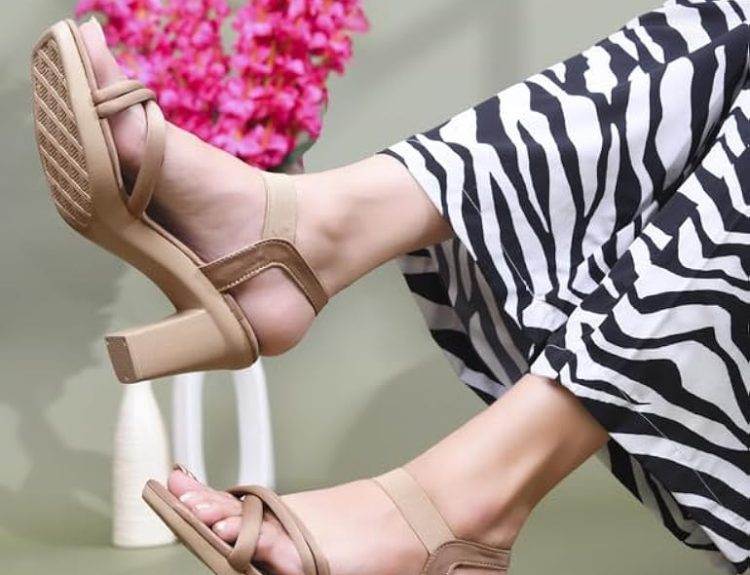
For Women: Tailored ankle-length slacks paired with an elegant blazer, a sleek bodysuit, or a fluid collared shirt. Alternatively, a tasteful sheath or wrap dress in a solid, muted tone paired with pointed-toe flats, ankle boots, or modest heels.
-
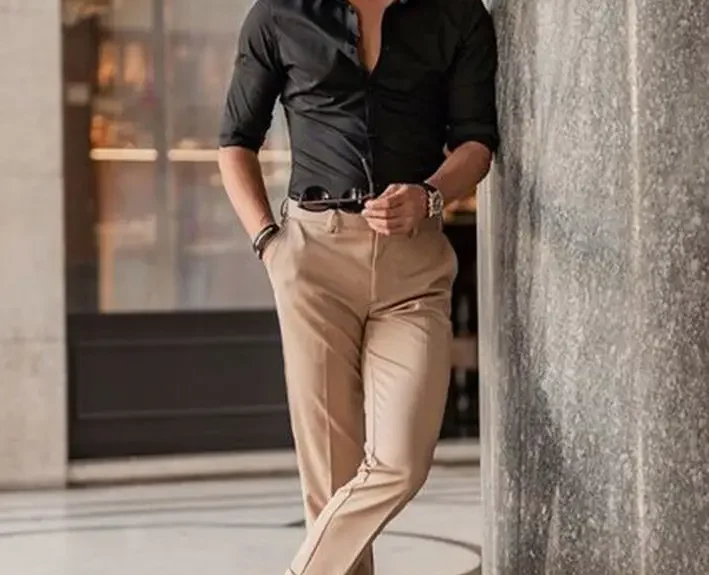
For Men: Tailored trousers, clean dress shoes or leather Chelsea boots, and a crisp collared shirt worn under an unstructured sport coat or tailored blazer. A tie is almost never necessary unless your partner explicitly states the venue has a strict formal dress code.
The Backyard Barbecue or Outdoor Gathering
Outdoor events are deceptively tricky because they tempt people to dress down too far. Grass, deck stairs, and patio seating also introduce practical terrain concerns.
-
For Women: A casual sundress in a breathable fabric like cotton poplin or linen, paired with flat leather slides or clean white leather sneakers. If opting for pants, cropped denim or linen trousers paired with an elevated tee and a utility jacket work well. Avoid thin stiletto heels that will sink directly into grass or wedge between deck boards.
-
For Men: Well-tailored chino shorts or lightweight cotton pants, paired with a breathable polo, henley, or casual linen button-down with the sleeves neatly rolled. Clean, minimalist leather or canvas sneakers complete the look.
The Multi-Day or Holiday Weekend Stay
If your first introduction involves staying under their roof for a weekend, your wardrobe needs to extend beyond the main dinner. You must consider the in-between moments: walking down the hallway for morning coffee, lounging in the living room between activities, and casual neighborhood walks.
Pack elevated loungewear that maintains full coverage. Swap worn college sweatpants for tailored jogger pants in French terry or heavy knit cotton. Replace oversized, faded sleep shirts with matching pajama sets, robes, or clean, structured loungewear tops. Always pack house slippers or indoor shoes so you never have to walk around their kitchen in bare feet.
Strategic Details: Color, Fabric, and Functionality
The technical details of your garments influence how relaxed and approachable you appear to others.
Color psychology plays a quiet but real role in interpersonal dynamics. Muted neutrals, navy, olive, cream, soft camel, slate gray, and gentle earth tones project calm, grounded confidence. They are easy on the eyes and keep the visual focus on your face and expressions. While an accent color or understated pattern can inject personal style, large geometric prints, neon hues, or bold, high-contrast designs can feel visually overwhelming in a quiet dining room.
Fabric selection is equally critical, especially when nervous perspiration might become a factor. Choose natural, breathable textiles such as cotton, lightweight wool, silk, and linen blends. Synthetic materials like polyester and nylon tend to trap body heat, hold odors, and show damp spots rapidly under stress.
Before you walk out your front door, subject your chosen outfit to the functional mobility test. Sit down in front of a mirror: does the neckline gape, does the shirt pull tight across your chest, or does the skirt ride up higher than you anticipated? Reach your arms forward as if passing a serving platter across a wide dining table: do the sleeves bind across your shoulders? Can you bend comfortably to pet a dog? If an outfit requires constant tugging, smoothing, or adjusting, swap it for something that moves naturally with your body.
Grooming, Accessories, and Final Edits
An otherwise thoughtful outfit can be undone by careless finishing details. Take the time to steam or iron your clothes the day before. Use a lint roller to eliminate stray pet hair, inspect collars and cuffs for faint discoloration, and check buttons to ensure none are dangling loose.
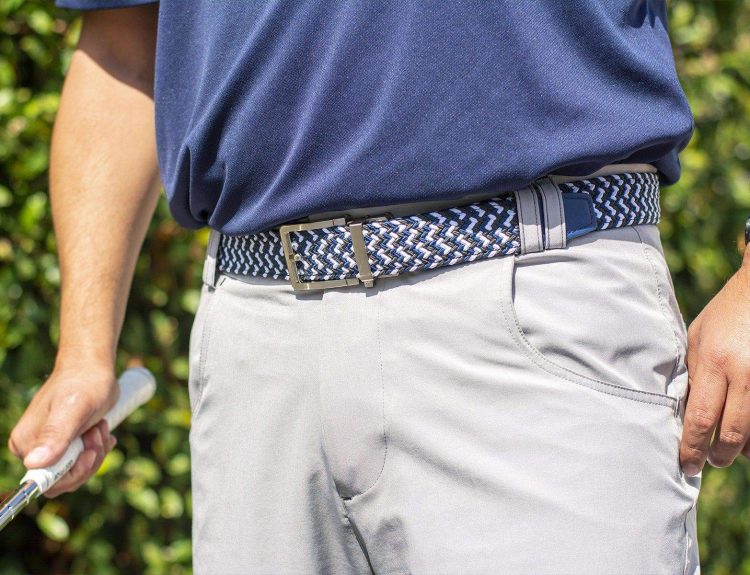
Keep jewelry and accessories understated. A delicate necklace, classic stud earrings, a timeless watch, or a simple leather belt add intentional polish without becoming talking points. Avoid stacks of noisy bangles that clatter against the dining table every time you lift your fork or water glass.
When it comes to fragrance, practice strict moderation. A heavy application of cologne or perfume can easily trigger headaches, aggravate allergies, or interfere with the aroma of a home-cooked meal in an enclosed room. Apply a single light spritz at your wrist or collarbone, or consider skipping fragrance entirely in favor of clean, neutral grooming products.
Clothing serves as the frame, but you are the portrait. When your outfit is clean, comfortable, and tailored to the context, you no longer have to think about it once you cross the threshold. You are free to direct your entire attention toward engaging in genuine conversation, sharing laughter, and building a meaningful connection with the people who raised your partner.