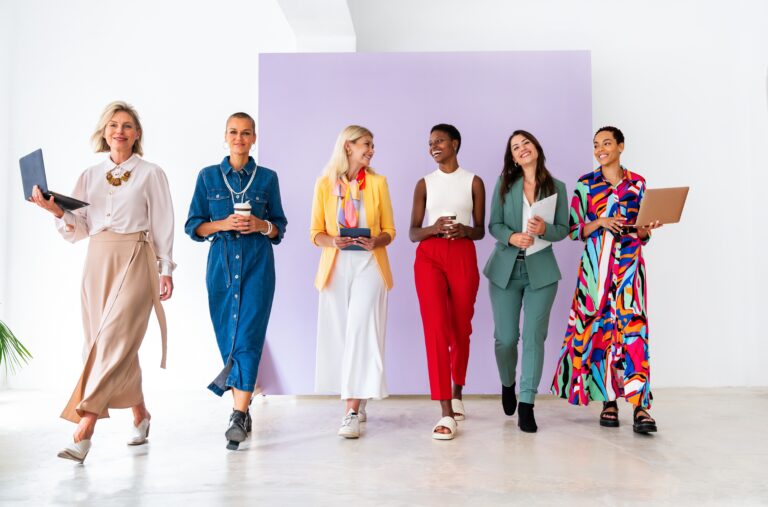
The contemporary work schedule has dissolved the traditional boundary between professional dress and personal ease. On Monday morning, you might find yourself leading an executive strategy session from a desk in your guest bedroom. By Wednesday, you are navigating morning commuter traffic, setting up in a shared conference room, and heading to an impromptu client lunch.
When hybrid schedules first took hold, many people responded by splitting their closets into two distinct camps. On one side hung soft loungewear, oversized sweatshirts, and knit pants suited exclusively for staying home. On the other remained the crisp, rigid suiting, stiff dress shirts, and constricting trousers left over from a previous era of five-day office life. This polarization created a frustrating routine: wearing clothes at home that felt slightly too sloppy for surprise video calls, and wearing clothes in the office that felt needlessly uncomfortable after eight hours of sitting in meetings.
Creating a dependable hybrid wardrobe requires abandoning this false choice between rigid formality and total slouch. The goal is to build an intentional, modular system of clothing designed to satisfy the physical realities of both environments. By focusing on elevated textiles, relaxed yet structured tailoring, and versatile layers, you can build a wardrobe that feels as comfortable as loungewear while looking completely at home in any corporate setting.
The Dual Demands of Screen and In-Person Presence
To design clothing that works across both settings, you have to understand how perception shifts between a digital screen and a conference room.
Video calls flatten your appearance into two dimensions. The webcam captures only the top third of your body, usually from the chest up, through a low-resolution lens that compresses textures and distorts subtle patterns. In this compressed frame, structure around your shoulders and neckline does the heavy lifting. A floppy, stretched-out collar makes an immediate impression of lethargy, while a clean, architectural neckline projects focus and executive poise, regardless of what you are wearing beneath the desk.
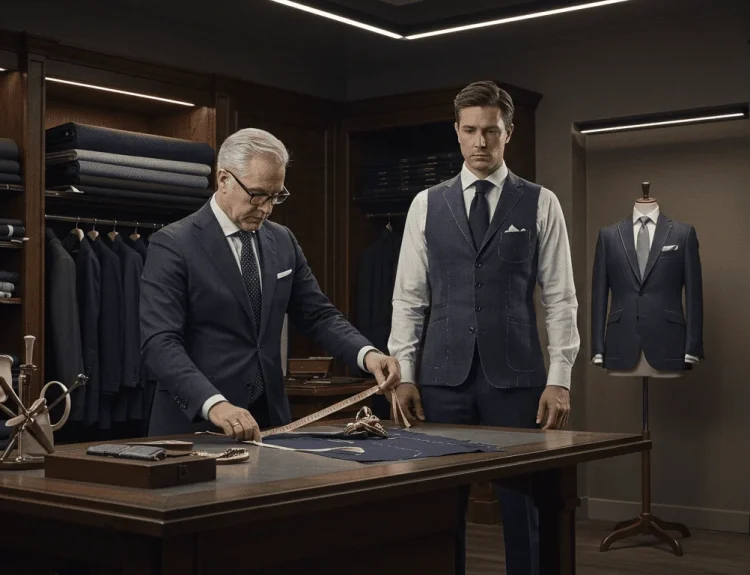
The physical office, however, reintroduces three-dimensional scrutiny. When you walk across an office floor, the total silhouette matters: the break of your trouser leg, the drape across your back, and how your clothes move as you walk. Furthermore, office attire must survive real-world wear and tear. It has to withstand outdoor temperature shifts, the friction of public transit or car seats, and the persistent chill of industrial climate control without developing unsightly creases across the lap or behind the knees.
A truly successful hybrid garment must pass both tests. It needs the visual authority to anchor a pixelated Zoom frame and the physical integrity to look sharp in a three-dimensional boardroom.
Fabric Engineering: The Secret to Invisible Comfort
If a garment feels restrictive, you will inevitably avoid wearing it at home. If it lacks resilience, it will look disheveled by the time you reach the office. Fabric selection is the single most critical factor in bridging this gap. The modern hybrid closet relies heavily on technical knits, high-twist natural fibers, and performance blends that provide generous stretch while retaining a clean, tailored drape.
Ponte di Roma and Milano Knits
Traditional single jersey knits—the fabric used for basic t-shirts—cling to the body and lose their shape quickly. In contrast, double-knit fabrics like ponte di Roma are woven with two sets of needles, resulting in a dense, substantial textile with multidirectional stretch. A blazer, tailored sheath dress, or straight-leg trouser made from ponte offers the softness and mobility of sweatpants, yet the fabric has enough structural memory to hold sharp seams and clean silhouettes throughout a full day of movement.
High-Twist and Tropical Wools
Wool remains the undisputed gold standard for professional tailoring, but heavy worsteds and flannels have no place in a hybrid lifestyle. Instead, look for high-twist wools, often labeled as fresco or travel wool. These fabrics are woven from tightly twisted yarns that act like tiny natural springs. When compressed during long periods of seated desk work, the fibers naturally resist wrinkling and bounce back to their smooth baseline. High-twist wool breathes exceptionally well, making it equally functional in a warm home office and an over-air-conditioned office tower.
Mercerized Cotton and Fluid Rayon Blends
Standard cotton button-downs often feel stiff and bind around the armpits when you sit at a desk typing for hours. Upgrading your shirting to mercerized cotton or lyocell-cotton blends solves this problem. Mercerization strips away stray fibers and strengthens the yarn, giving the fabric a subtle, silk-like sheen and a silky hand that drapes fluidly over the torso. These pieces deliver the visual formality of traditional shirting without the scratchiness or rigidity of treated poplin.
Curating the Waist-Up Wardrobe for Camera Clarity
Because the virtual camera isolates your upper torso, that area demands deliberate curation. You do not need an endless rotation of elaborate shirts; you simply need pieces featuring distinct collars, flattering colors, and intentional design details.
Collars with Inherent Structure
A collapsed, rumpled collar looks particularly distracting on video. To ensure your tops look sharp on screen without demanding aggressive ironing, invest in shirts and tops with reinforced collar construction:
-
Camp-collar shirts in structured linen-cotton blends that rest flat with clean, geometric lines.
-
Band-collar and mandarin tunics that frame the neck neatly without requiring ties, lapels, or constant adjustment.
-
Knit polo sweaters featuring substantial ribbed collars that hold their shape under a jacket.
-
Boatneck and jewel-neck knit shells that create a clean horizontal frame across the shoulders.
Camera-Friendly Color Palettes
Webcam sensors frequently struggle with extreme contrast. Pure, optic white tops can blow out exposure, leaving your face in shadow, while pitch-black tops can flatten your silhouette into a featureless block.
The most flattering choices for digital video are saturated mid-tones and rich jewel tones. Shades like French blue, rich spruce, warm terracotta, slate gray, and camel translate clearly across video streams without blinding the sensor or getting lost in shadows. If you prefer neutrals, soft ecru, warm oatmeal, and navy offer far more visual depth than stark white or black.
The Power of the Deconstructed Third Piece
The easiest shortcut to looking instantly professional on camera is the “third piece”—an outer layer that pulls an entire outfit together in seconds. Keep an unstructured knit blazer or an elevated cardigan-jacket draped over the back of your home office chair.
Unlike traditional suit jackets with stiff canvasing and padded shoulders, a deconstructed blazer is cut with soft shoulders and an unlined interior. It moves like a cardigan, provides instantaneous polish when an unscheduled meeting appears on your calendar, and packs effortlessly into a tote bag for your in-office days.
Bottoms That Balance Mobility and Polish
For many, the hardest adjustment of returning to an office is giving up the unrestricted comfort of leisurewear bottoms. Rigid, non-stretch waistbands that dig into the abdomen during long work sessions are an unnecessary nuisance. The market now offers brilliant tailoring solutions that hide comfort features within classic silhouettes.
The Concealed Elastic Waistband
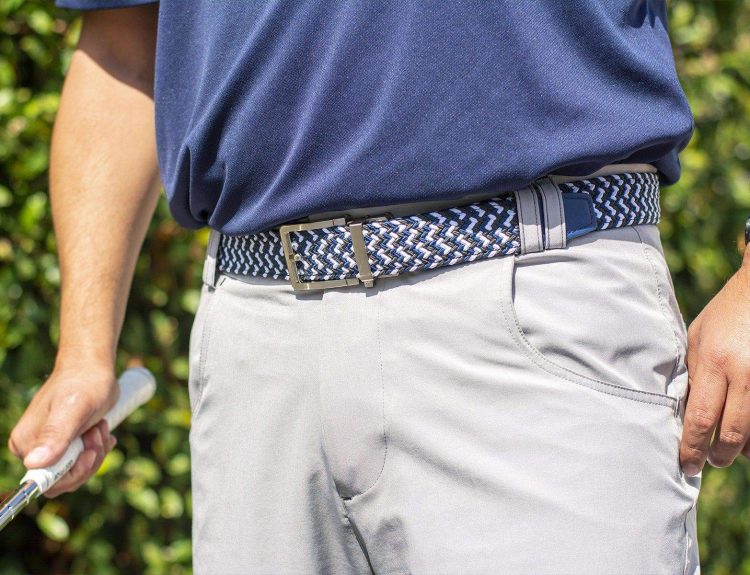
The modern tailored trouser has undergone an overdue evolution. Leading menswear and womenswear designers now routinely incorporate hidden elastic waistbands, often featuring a crisp, flat front paired with an elasticized back or internal side tabs. When worn with a tucked-in shirt or a cropped knit, the trouser appears entirely traditional, complete with a zip fly and belt loops. When you sit down, the waistband expands naturally, eliminating pressure points across your midsection.
Fluid Wide-Leg and Tapered Trousers
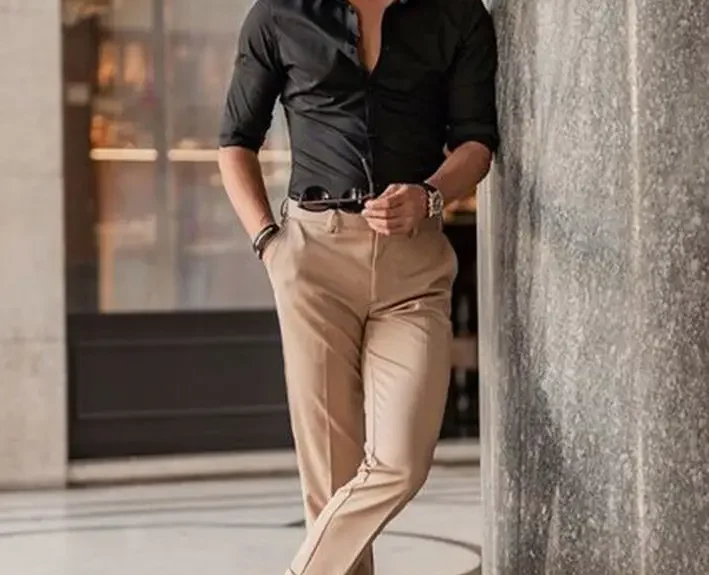
Skinny trousers have largely fallen out of favor for hybrid work, and for good reason: they restrict circulation during long seated stretches and tend to bunch uncomfortably behind the knees. In their place, wide-leg trousers and relaxed pleat-front cuts have become modern office essentials. Cut from lightweight wool drape, tencel twill, or heavy crepe, wide-leg trousers allow complete airflow and movement. They look elegant and intentional when striding through an office lobby, yet feel completely unrestricted while you work at home.
Elevated Denim Standards
In many hybrid workplaces, dark denim has earned a permanent place during in-office days. To make denim work across both settings, adhere to clean tailoring rules:
-
Stick to uniform dark indigo or solid black washes with zero distressing, whiskering, or raw hems.
-
Look for a high or mid-rise cut that stays anchored when you sit down.
-
Choose blends that contain one to two percent elastane for recovery, preventing the knees from bagging out after hours of desk work.
Footwear: Bridging Sidewalk Performance and Corporate Polish
Footwear represents the final physical transition between home and corporate life. While slippers or bare feet dominate remote work, commuting demands shoes that offer genuine shock absorption without looking like you are headed to the gym.
Minimalist Leather Dress Sneakers
In creative fields, tech, and many contemporary corporate environments, the clean leather sneaker is now standard attire. The key to wearing sneakers in a professional context is simplicity: choose a low-profile silhouette crafted from smooth, monochromatic calfskin or suede, free from bold logos, contrast stitching, or bulky athletic soles. Paired with an ankle-skimming tailored trouser and a blazer, a minimalist sneaker looks modern, disciplined, and refined.
Unlined Suede Loafers and Lug-Sole Derbies
If your office environment requires traditional closed-toe footwear, steer clear of stiff, heavy leather shoes that demand a painful break-in period. Unlined suede penny loafers offer immediate comfort, conforming to your foot like a glove while breathing naturally. If you prefer a sturdier silhouette to anchor wide-leg trousers, look for derbies or loafers fitted with lightweight EVA foam lug soles, which provide the shock absorption of a running shoe while maintaining the formal profile of a dress shoe.
Architectural Low Heels and Tailored Mules
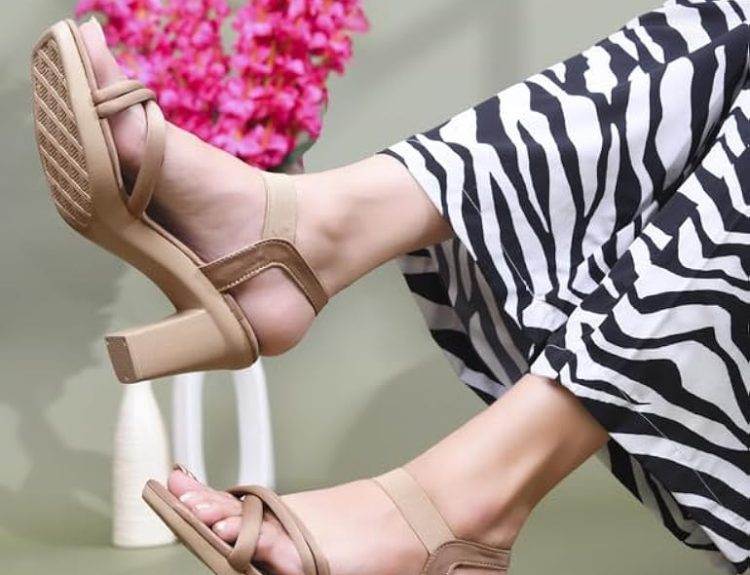
For those who prefer a heel, high stilettos are rarely practical for a dynamic commute. Swap them for architectural block heels measuring between one and two inches. A block heel provides a wide base of support that eliminates stability issues on subway grates and uneven pavement. Alternatively, sleek leather mules let you slip your shoes off discreetly under your home desk while offering a clean, elongated look when paired with trousers in the office.
The Core Capsule: Building Your Rotation
A functional hybrid wardrobe does not require an overstuffed closet. A tight, carefully considered capsule of high-rotation pieces can generate dozens of distinct outfits suitable for both screen and conference room.
The Foundation Pieces
-
Two Deconstructed Jackets: One neutral knit blazer in charcoal or navy, and one structured chore coat or collarless jacket in dense twill.
-
Three High-Performance Tops: One tailored button-down in mercerized cotton, one fine-gauge merino wool crewneck sweater, and one structured knit shell in an architectural cut.
-
Three Transitional Bottoms: One pair of pleated wide-leg trousers in high-twist wool, one pair of hidden-elastic pull-on trousers in ponte, and one pair of pristine dark-rinse denim.
-
Two Footwear Staples: One pair of clean minimalist leather sneakers and one pair of unlined suede loafers or low-block leather shoes.
On home days, combine the ponte pull-on trousers with the fine-gauge merino sweater for a setup that feels like loungewear but looks sharp on a webcam. On days when you head into the office, elevate the same sweater by pairing it with the pleated wool trousers, slipping into suede loafers, and layering the unstructured blazer over top.
Building a hybrid work wardrobe is ultimately an exercise in practical design. By investing in textiles that move with your body, silhouettes that hold their shape under pressure, and pieces that coordinate effortlessly, you eliminate the daily friction of getting dressed. You step into each workday feeling completely comfortable, composed, and ready to lead—whether your team is sitting across the conference table or across the screen.